
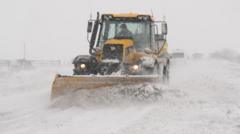
Weather Warnings as Snow and Ice Grip the UK
As winter tightens its icy grip on the UK, weather warnings have been issued for various parts of the country until Monday, with the heaviest snowfall expected to hit Scotland.
The Met Office has put in place yellow weather warnings for snow and ice, advising residents to be prepared for potential travel disruptions and hazardous conditions. These warnings are currently in effect for much of Scotland, as well as parts of northern England and Northern Ireland.
According to meteorologists, the cold snap is being driven by a high-pressure system centered over Scandinavia, which is drawing in frigid air from the Arctic. This has resulted in temperatures plummeting well below the seasonal average, with overnight lows forecast to dip as low as -10°C in some areas.
The snowfall is expected to be particularly heavy in parts of central and eastern Scotland, with up to 20cm of the white stuff predicted to accumulate in some regions. Travel networks are likely to be affected, with the potential for road closures, train delays, and airport disruptions.
While the rest of the UK may avoid the heaviest snowfall, icy conditions are still expected to cause problems. The Met Office has warned of the risk of black ice, especially on untreated roads and pavements, which could lead to treacherous driving and walking conditions.
The impact of the wintry weather is likely to be felt across a range of sectors, from transport and infrastructure to business and everyday life. Schools may be forced to close, while the elderly and vulnerable could be at increased risk of health problems related to the cold.
For those living in the affected areas, the weather warnings serve as a stark reminder to take extra precautions and prepare for the challenging conditions ahead. Experts advise residents to stock up on essential supplies, ensure their homes are well-insulated, and avoid unnecessary travel if possible.
The arrival of this severe weather event also raises questions about the growing threat of climate change and its impact on the UK's weather patterns. As global temperatures continue to rise, some scientists argue that the jet stream, a high-altitude river of air that plays a crucial role in steering weather systems, is becoming more unstable and unpredictable.
This could lead to an increase in extreme weather events, such as prolonged cold snaps, heavy snowfall, and intense storms. While individual weather incidents cannot be directly attributed to climate change, the overall trend of more frequent and intense weather disruptions is a cause for concern.
As the UK braces for the impact of the current cold snap, it is a stark reminder of the need for robust emergency planning, infrastructure resilience, and public education to help communities cope with the challenges posed by a changing climate. By working together and prioritizing preparedness, the country can strive to minimize the disruption and safeguard the wellbeing of its citizens.
📰