
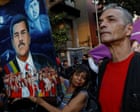
AI-Generated Images of Maduro Stir Chaos and Confusion Amid Venezuela Crisis
In the increasingly volatile landscape of geopolitical tensions and rapidly evolving digital technologies, the proliferation of AI-generated images has become a double-edged sword, fueling both widespread misinformation and newfound creative possibilities. This was vividly demonstrated in the wake of a startling announcement by former US President Donald Trump, which set off a firestorm of speculation and false narratives surrounding the political crisis in Venezuela.
The saga unfolded on a fateful Saturday morning, when Trump took to social media to declare a "large-scale strike" against Venezuela, a move that would have dramatic repercussions both on the ground and in the virtual world. Barely minutes after the announcement, a deluge of AI-generated images began flooding social media platforms, depicting scenes that ranged from the plausible to the utterly fantastical.
Among the most widely circulated were fabricated photographs purporting to show Nicolás Maduro, the embattled president of Venezuela, being escorted off a plane by US law enforcement agents. Other images claimed to show jubilant Venezuelans pouring into the streets of Caracas, celebrating the reported demise of Maduro's regime. Adding to the chaos were videos that appeared to show missile strikes raining down on the country, further amplifying the sense of impending military action.
However, as the dust began to settle, it became clear that these images were nothing more than sophisticated digital forgeries, created using the latest advancements in AI technology. While the underlying geopolitical tensions were very much real, the visuals that had captured the world's attention were nothing more than a mirage, a testament to the growing power and potential for abuse of these emerging technologies.
The rapid proliferation of these AI-generated images highlights the urgent need for greater awareness and scrutiny when it comes to the verification of digital content, especially in the context of high-stakes political and military events. In an era where the line between truth and fiction has become increasingly blurred, the ability to distinguish fact from fiction has become a crucial skill for both media professionals and the general public.
The implications of this incident extend far beyond the immediate crisis in Venezuela. The ease with which these fabricated images were created and disseminated serves as a stark reminder of the vulnerabilities inherent in our information ecosystem, where social media platforms have become breeding grounds for the rapid spread of disinformation. As AI-powered tools become more sophisticated and accessible, the potential for such "deepfakes" to sow chaos and undermine public trust in institutions and leaders is only expected to grow.
In the face of this challenge, experts and policymakers are grappling with the complex task of developing effective strategies to combat the spread of misinformation while preserving the fundamental principles of free expression and democratic discourse. This delicate balancing act requires a multifaceted approach, involving the collaboration of technology companies, media organizations, and government agencies to develop robust verification protocols, enhance digital literacy, and strengthen the resilience of our information infrastructure.
The Venezuela crisis, with its echoes of past interventions and the looming specter of a military confrontation, has once again thrust the issue of misinformation and the role of emerging technologies into the global spotlight. As the world watches the unfolding events with bated breath, it is clear that the battle for truth and transparency has never been more crucial, as the future of nations and the integrity of our democratic institutions hang in the balance.
📰


