
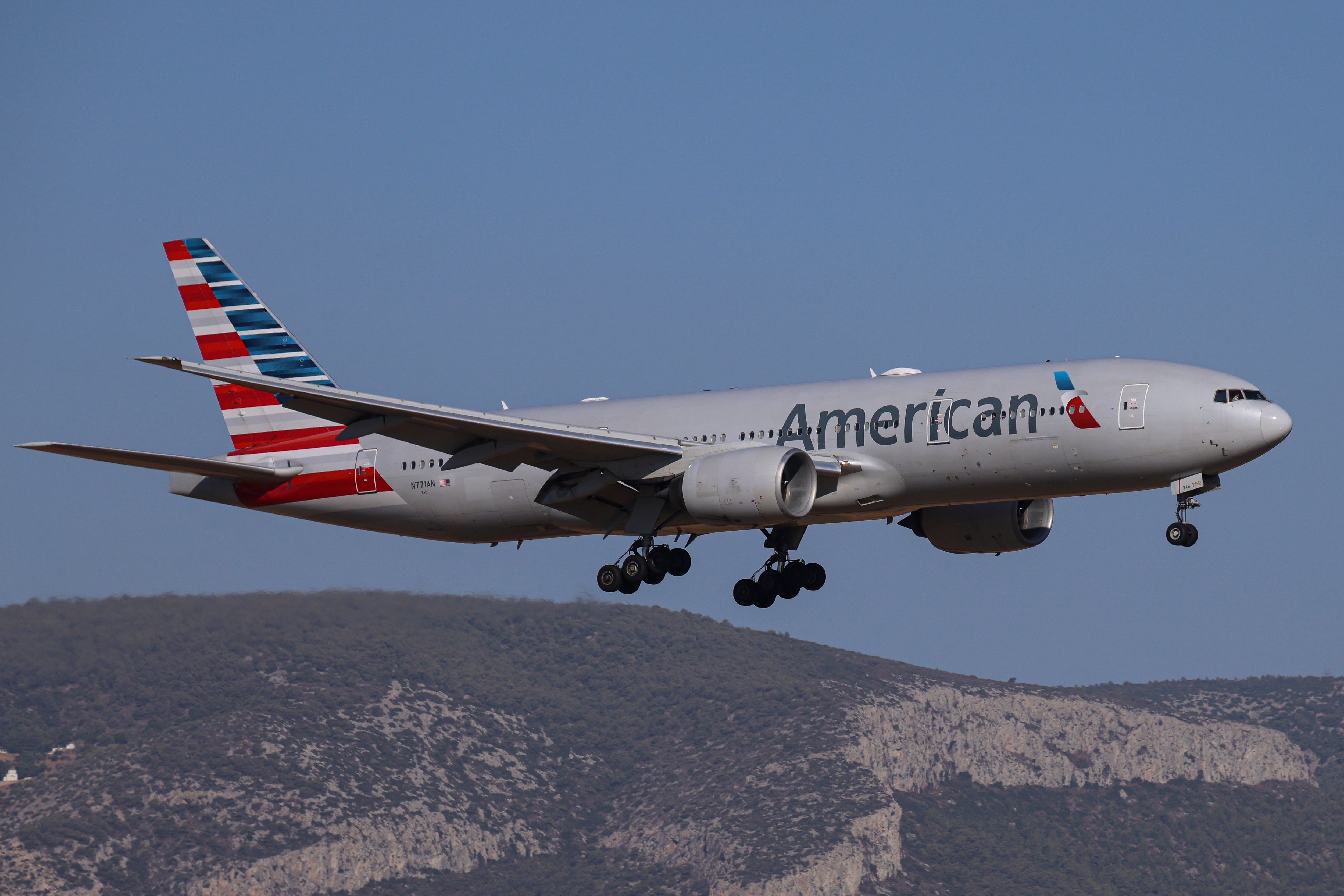
American Airlines Deals a Blow to AAdvantage Members with Basic Economy Changes
In a move that's sure to disappoint frequent flyers, American Airlines has announced a significant change to its basic economy fares. Effective immediately, passengers booking the no-frills basic economy tickets will no longer earn miles or Loyalty Points through the airline's AAdvantage program.
This latest policy update marks a significant departure from American's previous practices and is sure to have a substantial impact on the airline's most loyal customers. By eliminating the ability to earn valuable rewards on basic economy flights, AA is effectively penalizing budget-conscious travelers who have long relied on the AAdvantage program to maintain their elite status and unlock perks like priority boarding, lounge access, and free checked bags.
The implications of this change are far-reaching, and it's sure to be a point of frustration for many American Airlines flyers. Let's take a closer look at the details of this new policy, the potential impact on passengers, and how it fits into the broader landscape of the airline industry.
The Rise of Basic Economy
To understand the significance of this change, it's important to first examine the rise of basic economy fares in the airline industry. Basic economy tickets, introduced by legacy carriers like American, Delta, and United, are a stripped-down class of service designed to compete with the ultra-low-cost carriers (ULCCs) like Spirit and Frontier.
These no-frills fares typically come with a long list of restrictions, including no seat assignments, no changes or refunds, and limited or no access to overhead bin space. The trade-off for passengers is a lower base fare, but the lack of flexibility and amenities has made basic economy a point of contention among travelers.
American's AAdvantage program, which allows members to earn miles and elite status through flights and other qualifying activities, has long been a cornerstone of the airline's value proposition. By eliminating the ability to earn miles and Loyalty Points on basic economy tickets, American is effectively devaluing the program for a significant portion of its customer base.
The Impact on AAdvantage Members
For AAdvantage members, this change represents a significant blow to their ability to maintain elite status and unlock the valuable perks that come with it. Elite status in the AAdvantage program is primarily earned through a combination of miles flown and Loyalty Points accrued, with higher tiers granting access to benefits like complimentary upgrades, waived baggage fees, and preferred seating.
By excluding basic economy fares from earning miles and Loyalty Points, American is making it more challenging for budget-conscious travelers to reach and retain their desired elite status level. This could result in some members being forced to upgrade to more expensive tickets or fly less frequently to maintain their elite benefits.
Furthermore, the inability to earn miles on basic economy flights could impact the overall value proposition of the AAdvantage program for these passengers. Miles are the currency that allows members to redeem for free flights, upgrades, and other rewards, so the reduced earning potential could make it more difficult for them to accumulate the necessary miles for their desired redemptions.
Industry Trends and Competitive Landscape
American's decision to eliminate basic economy mileage and Loyalty Point earnings isn't happening in a vacuum. Rather, it's part of a broader trend in the airline industry as carriers continue to find ways to drive ancillary revenue and differentiate their premium offerings.
Both Delta and United have implemented similar restrictions on basic economy fares, with neither airline allowing members of their respective SkyMiles and MileagePlus programs to earn miles or elite-qualifying credits on these no-frills tickets. This alignment across the major U.S. carriers suggests that American may have felt compelled to make this change in order to remain competitive and maintain parity with its rivals.
However, the decision to exclude basic economy from the AAdvantage program could also be seen as a strategic move to incentivize passengers to upgrade to more expensive fare classes. By making it more difficult to earn elite status and redeem rewards on basic economy tickets, American may be hoping to nudge flyers towards higher-yielding fare options that are more profitable for the airline.
Broader Implications and Potential Backlash
The implications of this change extend beyond just the AAdvantage program and could have wider-ranging effects on the airline industry and the travel experience as a whole.
For one, the devaluation of basic economy fares could further erode consumer trust and satisfaction with the airline industry. As budget-conscious travelers are increasingly penalized for seeking out the most affordable options, there may be a growing sentiment that airlines are prioritizing profits over the needs of their customers.
Additionally, this move by American could spark a wider industry trend, with other carriers potentially following suit and implementing similar restrictions on their own loyalty programs. This could lead to a more fragmented and less rewarding landscape for frequent flyers, who may find it increasingly difficult to maintain elite status and unlock valuable perks across multiple airline programs.
Ultimately, while American's decision to eliminate basic economy mileage and Loyalty Point earnings is likely a strategic move to bolster its bottom line, it's one that is sure to be met with considerable backlash from its most loyal customers. As the airline industry continues to evolve, it will be interesting to see how American and its competitors navigate the delicate balance between profitability and customer satisfaction.
📰


