
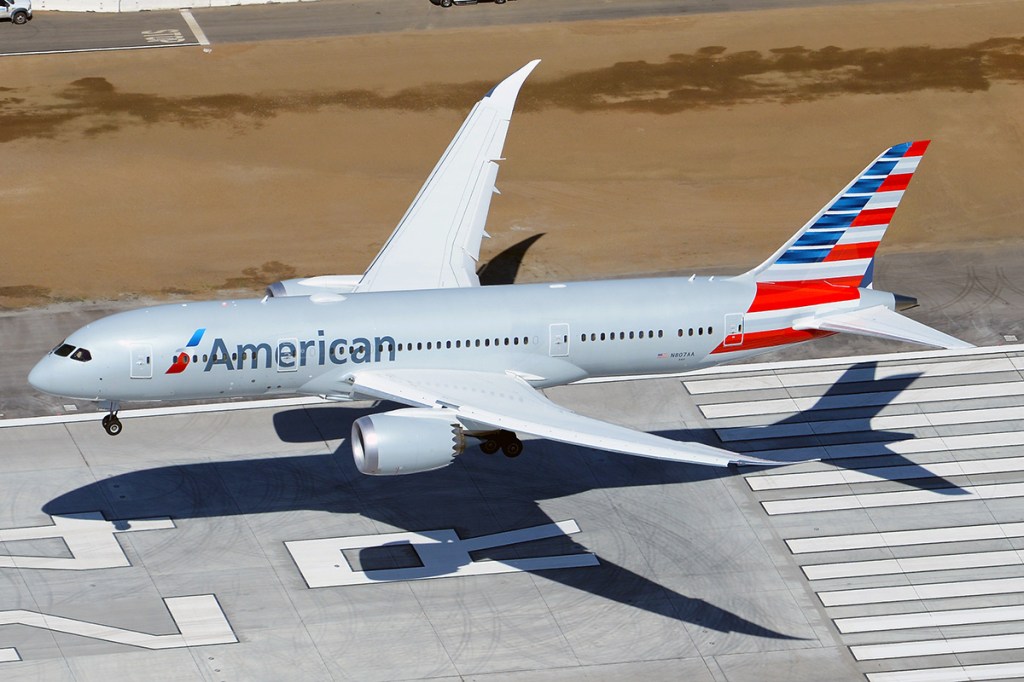
American Airlines No Longer Lets Customers Earn Miles on Basic Economy
In a move that has sparked controversy among frequent flyers, American Airlines has announced that passengers booking the most basic economy fares will no longer be able to earn miles or elite status credits on their flights. This policy change, which took effect on August 28, 2022, represents the latest in a series of adjustments to the airline industry's loyalty programs that have drawn criticism for favoring higher-paying customers over more budget-conscious travelers.
Basic economy fares, which were first introduced by major U.S. carriers in 2016, offer a stripped-down flying experience at a lower price point. Passengers who choose these tickets forgo the ability to select their own seats, change or cancel their flights without paying hefty fees, and in some cases, even bring a full-sized carry-on bag into the cabin. In exchange, they can typically access the same flights and amenities as those who pay for standard economy tickets, just with fewer frills and flexibility.
For years, airlines have argued that basic economy fares allow them to offer more affordable options to cost-conscious flyers, while preserving the perks and privileges of their loyalty programs for those willing to pay higher prices. However, critics have contended that these bare-bones fares unfairly penalize budget-minded passengers, particularly those who rely on accrued miles and elite status to access benefits like lounge access, priority boarding, and upgrades.
American's decision to exclude basic economy tickets from earning miles represents a further erosion of the value proposition for these lower-cost options. While the airline maintains that basic economy fares will still count toward elite status qualification, the inability to earn redeemable miles means that passengers will have a harder time accumulating enough points for free flights, seat upgrades, or other rewards.
"This is just another example of airlines trying to segment the market and make more money off of their most loyal customers," said Brian Kelly, founder of the popular travel rewards site The Points Guy. "It's a clear message that if you're not willing to pay more, you're not going to be treated as well."
The move by American comes on the heels of similar policy changes by other major U.S. carriers. Delta Air Lines eliminated mile earning on basic economy fares back in 2018, while United Airlines made a comparable adjustment to its program in 2021. Industry analysts suggest that these decisions are driven by a desire to steer more passengers toward higher-margin ticket classes and encourage them to spend more to access the full benefits of loyalty programs.
"Airlines are always looking for ways to maximize revenue and profitability," explained Henry Harteveldt, a travel industry analyst and founder of Atmosphere Research Group. "Excluding basic economy fares from earning miles is a way for them to incentivize travelers to book more expensive tickets, which generate higher margins for the carriers."
This shift toward a two-tiered loyalty system has significant implications for the millions of Americans who rely on airline miles to fund their travel. Those who can afford to consistently book pricier tickets will continue to enjoy the perks of elite status and the ability to redeem miles for free flights and upgrades. But for more budget-conscious flyers, the path to earning meaningful rewards will become increasingly arduous.
"The airlines are essentially saying, 'If you're not willing to pay a premium, then you're not as valuable to us as a customer,'" said Kelly. "That's a concerning trend, especially at a time when the cost of living is already squeezing many Americans' budgets."
The policy change by American Airlines also reflects a broader trend toward the concentration of wealth and privilege in the travel industry. As airlines, hotels, and other hospitality providers cater more to high-end clientele, the middle class is finding it increasingly difficult to access the same level of service and perks.
"We're seeing a real bifurcation in the travel experience, where the haves are getting more and the have-nots are getting less," Harteveldt observed. "It's a troubling development that could have far-reaching implications for social mobility and economic opportunity."
Ultimately, the decision by American to exclude basic economy fares from earning miles is just the latest manifestation of this broader shift. As the airline industry continues to evolve, travelers of all income levels will need to carefully evaluate the trade-offs and compromises inherent in their booking decisions, weighing the benefits of loyalty program participation against the costs of more expensive tickets.
For those who value the ability to earn and redeem miles, the message is clear: If you want to maintain your access to the full suite of airline rewards and privileges, you'll need to be willing to pay a premium. And as the gap between the travel experiences of the wealthy and the middle class continues to widen, the consequences of that reality may reverberate far beyond the airport gates.
📰


