
Deadly Helicopter Collision in New Jersey Sparks Concerns Over Aviation Safety
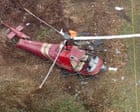
In a tragic incident that has sent shockwaves through the aviation community, two helicopters collided in the skies over southern New Jersey, leaving one person dead and another critically injured. The crash, which occurred on Sunday morning in the town of Hammonton, has raised urgent questions about the safety protocols and regulations governing aerial operations in the region.
According to the Hammonton police chief, Kevin Friel, the emergency response was triggered by a report of an "aviation crash" at around 11:25 a.m. Witnesses at the scene described a harrowing scene, with one helicopter rapidly spinning out of control before crashing to the ground and bursting into flames. Firefighters and other first responders quickly arrived on the scene, working to extinguish the blaze and provide medical assistance to the victims.
The devastating incident has left the local community and aviation enthusiasts alike grappling with the tragic loss of life and the implications for the future of aerial transportation in the area. As authorities continue to investigate the cause of the crash, experts are scrutinizing the safety measures in place to prevent such catastrophic events from occurring.
One key area of concern is the airspace management and coordination protocols governing the region. Hammonton, situated in Atlantic County, is no stranger to helicopter traffic, as it serves as a hub for various aerial operations, including medical evacuations, law enforcement surveillance, and recreational flights. The proximity of multiple aviation facilities, such as the Hammonton Municipal Airport and the Hammonton Heliport, has raised questions about the potential for overcrowding and the need for more robust air traffic control systems.
"This is a devastating tragedy, and our hearts go out to the families and loved ones of the victims," said a spokesperson for the Federal Aviation Administration (FAA), the agency responsible for overseeing air travel safety in the United States. "We are committed to conducting a thorough investigation and working with local authorities to determine the exact cause of this incident and take any necessary steps to prevent similar occurrences in the future."
The investigation is expected to focus on a range of factors, including weather conditions, pilot training and experience, aircraft maintenance, and the overall coordination of air traffic in the region. Experts suggest that the findings could have far-reaching implications for aviation regulations and safety protocols, not just in New Jersey, but across the country.
"Every time a tragedy like this occurs, it serves as a wake-up call for the industry," said aviation safety consultant, Emily Wilkins. "We need to take a hard look at our systems and protocols to ensure that we are doing everything in our power to protect the lives of pilots, passengers, and the public at large."
The collision in Hammonton is not the first incident of its kind in the region. In 2018, a small private plane and a helicopter collided in mid-air near Teterboro Airport, resulting in the deaths of all five people on board. That crash, along with other high-profile incidents, has fueled concerns about the need for more stringent air traffic management and better coordination between different types of aerial operations.
"The skies above our communities are becoming increasingly crowded, with a diverse array of aircraft vying for airspace," said local resident, Sarah Wilkins. "While we appreciate the valuable services that helicopters and other aircraft provide, we cannot ignore the very real risks that come with these operations. Something has to be done to improve safety and prevent these kinds of devastating accidents from happening again."
As the investigation into the Hammonton crash continues, the aviation industry and policymakers will be closely watching the findings, hoping to glean valuable insights that can inform future safety measures and regulatory changes. For the families of the victims, the road ahead will be one of grief and healing, as they grapple with the unimaginable loss of their loved ones. But their stories, and the lessons learned from this tragedy, may ultimately play a crucial role in shaping a safer and more secure future for aerial transportation in the region and beyond.
📰


