The U.S. Exports AI Expertise Globally Through New Tech Corps Program
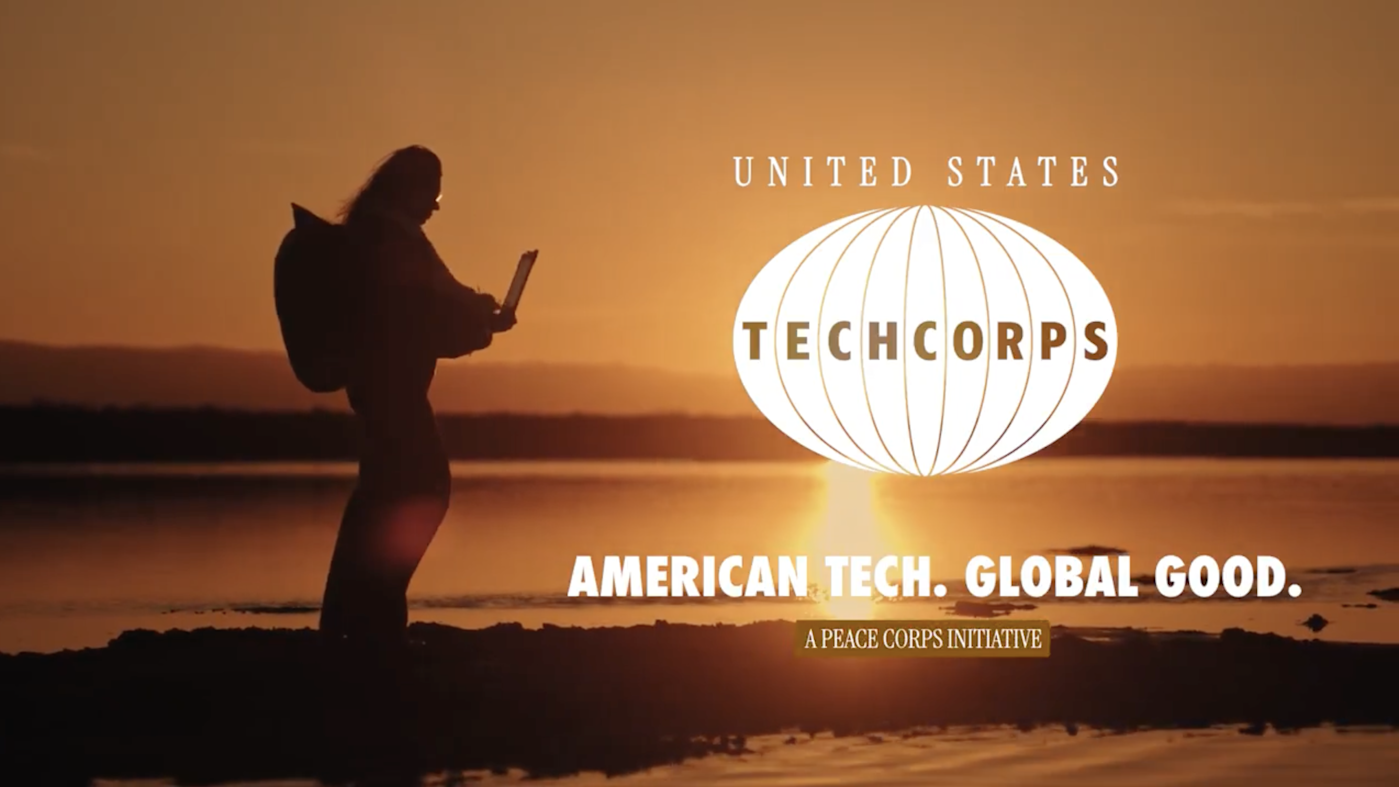
In a bold move to assert its dominance in the rapidly evolving artificial intelligence (AI) landscape, the United States government is launching a new initiative that will dispatch American AI experts to countries around the world. The "Tech Corps" program, spearheaded by the Peace Corps, aims to build technical capacity and facilitate the adoption of transformative AI technologies in developing nations.
The program's origins can be traced back to an executive order signed by former President Donald Trump in 2020, which established the American AI Exports Program. This initiative was designed to bolster the U.S.'s position in the global AI market, where it faces growing competition from rivals like China. Now, the Peace Corps is stepping up to the plate, leveraging its extensive international network to further this strategic objective.
Under the Tech Corps program, the government agency will recruit STEM graduates and seasoned AI professionals and deploy them to Peace Corps countries that are part of the American AI Exports Program. These volunteers will be tasked with harnessing the power of AI to address pressing issues in areas such as agriculture, education, healthcare, and economic development.
"Tech Corps volunteers will be building technical capacity, supporting AI adoption across critical use cases and addressing barriers to last-mile AI implementation," explained Richard E. Swarttz, the acting director of the Peace Corps, in a recent press release.
The program offers a range of options for prospective volunteers, including 12- to 27-month in-person assignments or virtual placements. Participants will receive housing, healthcare, a living stipend, and a volunteer service award if they are placed overseas.
This initiative represents a significant shift in the Peace Corps' traditional role, which has historically focused on community development and cultural exchange. By integrating AI expertise into its repertoire, the agency is adapting to the changing global landscape and recognizing the transformative potential of emerging technologies.
The decision to leverage the Peace Corps' international reach aligns with the U.S. government's broader strategy to cement its position as a leader in the AI race. In recent years, the country has invested heavily in AI research and development, with the Trump administration's executive order serving as a catalyst for more aggressive global engagement.
"The Tech Corps program is a strategic move by the U.S. to export its AI know-how and cement its dominance in a field that is rapidly transforming industries and societies around the world," explains Dr. Emily Chen, a professor of technology policy at the University of California, Berkeley.
By embedding AI experts in developing nations, the U.S. hopes to not only assist these countries in their technological advancement but also to gain a competitive edge in the global AI market. The program's focus on agriculture, education, healthcare, and economic development suggests a concerted effort to address pressing challenges in these areas, while simultaneously showcasing American technological prowess.
However, the initiative has not been without its critics. Some observers have raised concerns about the potential for the Tech Corps program to be perceived as a form of technological imperialism, where the U.S. imposes its AI solutions on other countries without fully considering local contexts and needs.
"There is a risk of the Tech Corps program being seen as a thinly veiled attempt to expand American influence and secure market share, rather than a genuine effort to empower developing nations," cautioned Dr. Liam Sharma, a geopolitical analyst at the Center for Strategic and International Studies.
To mitigate these concerns, the Peace Corps has emphasized the collaborative nature of the program, stating that volunteers will work closely with local communities to ensure the deployment of AI technologies that address their specific challenges. Additionally, the agency has highlighted the potential for knowledge sharing and capacity building, where American experts can learn from their international counterparts and develop more contextually appropriate solutions.
As the Tech Corps program takes shape, it will be crucial for the U.S. government and the Peace Corps to maintain a delicate balance between promoting American technological leadership and respecting the autonomy and unique needs of the host countries. Failure to do so could undermine the program's effectiveness and lead to resentment among international partners.
Nonetheless, the launch of the Tech Corps initiative signals the U.S. government's unwavering commitment to securing its position as a global AI powerhouse. By leveraging the Peace Corps' extensive network and reputation for cultural exchange, the country is poised to export its technological expertise to the furthest corners of the world, further solidifying its influence and shaping the future of artificial intelligence on a global scale.
📰