
CBS Bans Colbert from Interviewing Texas Democratic Candidate, Citing FCC Equal-Time Rule
In a concerning move that raises questions about free speech and the independence of the media, late-night talk show host Stephen Colbert has revealed that CBS prevented him from interviewing Texas Democratic Senate candidate James Talarico, citing a potential threat from the Federal Communications Commission (FCC) to enforce the equal-time rule.
The equal-time rule, also known as "equal opportunities" rule, requires broadcast stations to provide equal airtime to all legally qualified candidates for a public office. While the rule has been in place for decades, its application to late-night and daytime talk shows has been a subject of debate, with the FCC recently signaling a potential crackdown in this area.
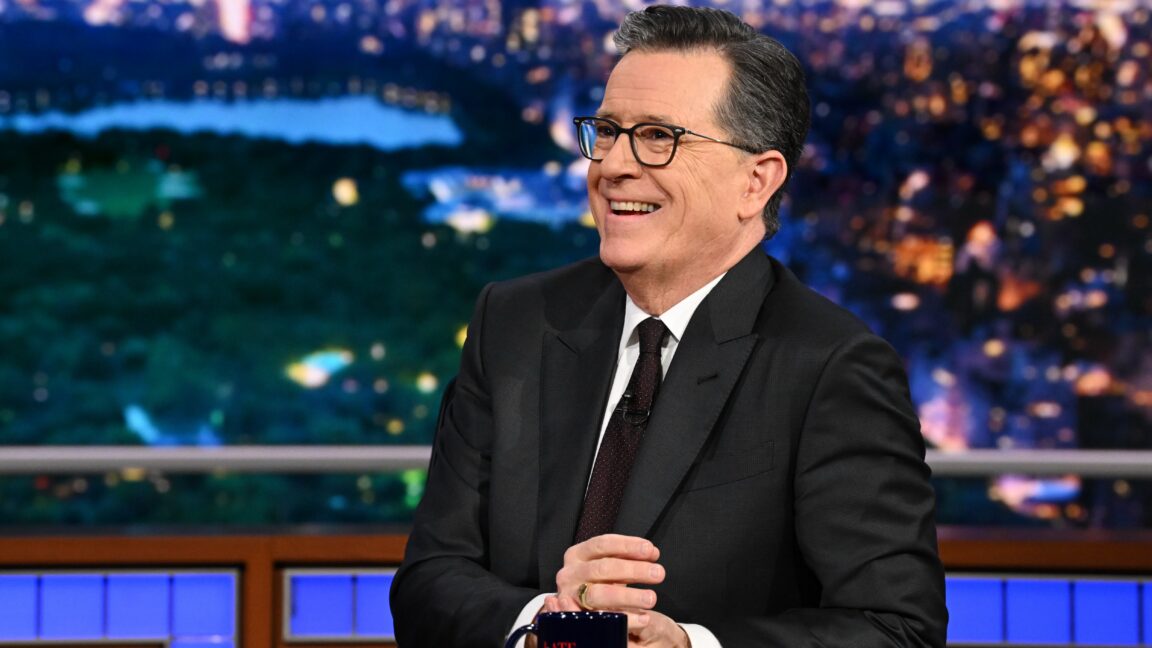
Colbert, in his opening monologue on "The Late Show with Stephen Colbert," expressed his frustration with the network's decision, stating that Talarico "was supposed to be here, but we were told in no uncertain terms by our network's lawyers, who called us directly, that we could not have him on the broadcast." The talk show host further revealed that he was not even allowed to mention the decision to exclude Talarico from the show.
The backdrop to this incident is a recent warning issued by FCC Chairman Brendan Carr, who cautioned late-night and daytime talk shows that they may no longer qualify for the bona fide news exemption to the equal-time rule. This exemption has traditionally allowed these programs to host political figures without being required to provide equal airtime to their opponents.
In the case of Talarico, the FCC has already opened an investigation into ABC's "The View" following an interview with the Texas Democratic candidate. This action by the regulatory body has sent a clear message to media outlets, potentially leading them to err on the side of caution and avoid hosting candidates from one party, lest they face consequences from the FCC.
The implications of this decision by CBS are far-reaching, as it raises concerns about the ability of media organizations to fulfill their role as independent watchdogs and purveyors of information. By ceding to the FCC's potential threat, the network may have compromised its editorial independence and the public's access to diverse political viewpoints.
Moreover, the equal-time rule itself has been the subject of much debate, with critics arguing that it can stifle free speech and limit the ability of media outlets to cover political issues in a meaningful way. Proponents, on the other hand, contend that the rule is necessary to ensure fairness and balance in the political process.
In the case of Colbert's show, the decision to exclude Talarico may have deprived viewers of the opportunity to hear directly from a candidate and form their own opinions. This raises questions about the role of the media in a democracy, where the free exchange of ideas and the ability to scrutinize political figures are essential.
The FCC's stance on the equal-time rule and its potential application to late-night and daytime talk shows also raises concerns about the broader regulatory landscape. As media platforms and formats evolve, the FCC's interpretation and enforcement of longstanding rules may not always align with the realities of the modern media landscape, potentially stifling innovation and limiting the diversity of voices.
In the face of this controversy, it will be crucial for both media organizations and regulatory bodies to engage in open and transparent dialogues, ensuring that the public's interests are protected while preserving the fundamental principles of free speech and a free press.
As the debate over the equal-time rule and its implications continues, the incident involving Colbert and Talarico serves as a stark reminder of the delicate balance between regulatory oversight and the media's ability to fulfill its role as a watchdog and a platform for diverse political discourse. The outcome of this situation may have far-reaching consequences for the future of journalism and the democratic process in the United States.
📰