
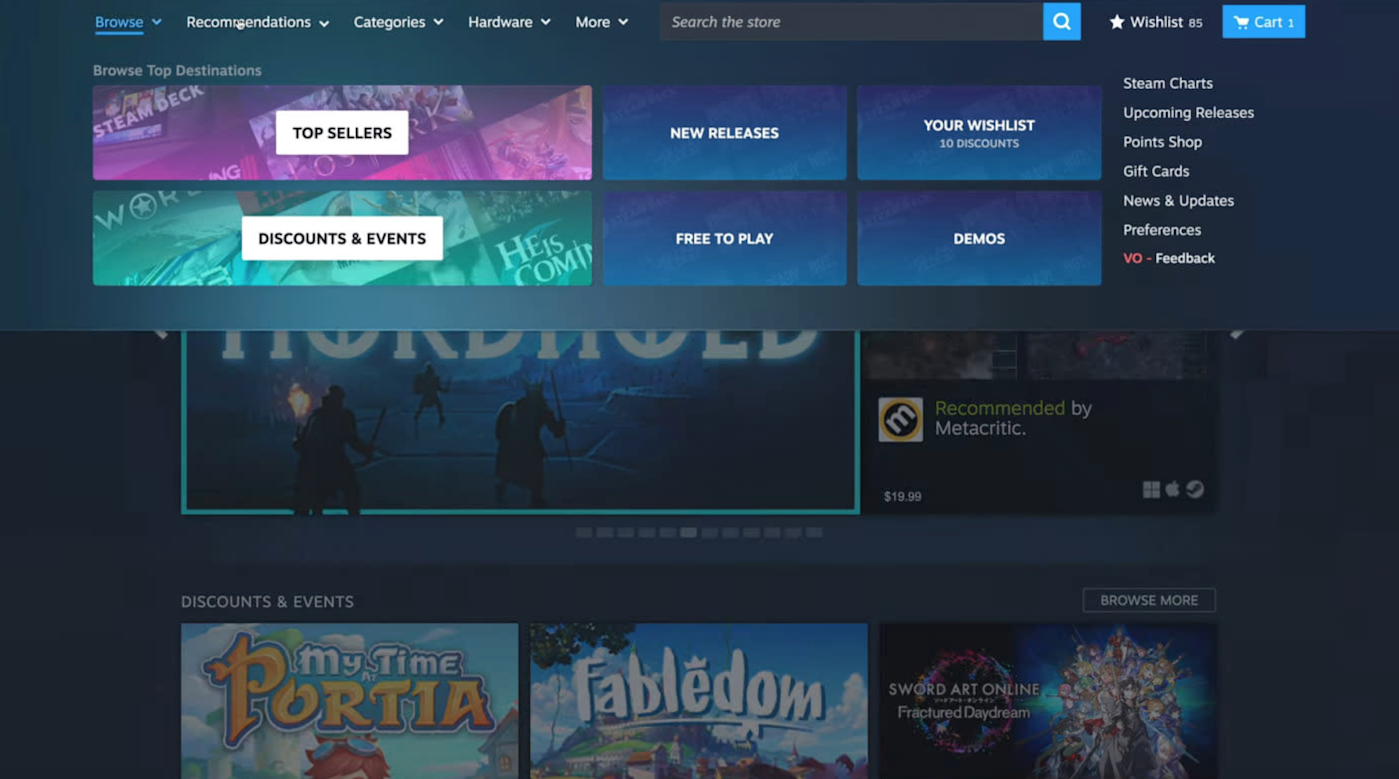
Steam and Valve's Online Games Hit by Widespread Outage
On December 24th, 2022, the gaming world was thrown into a state of chaos as Steam, the dominant digital distribution platform for PC games, experienced a widespread outage that impacted users' ability to access the game store, play games online, and utilize various Valve-owned online services.
The outage, which began around 1 PM ET, quickly gained attention as users flocked to social media to report issues. According to the unofficial SteamDB status page, the Steam Store, Steam Community, and Steam Web APIs were all offline, rendering the platform largely inaccessible.
The impact of the outage was quickly felt across the gaming landscape, as it affected not only Steam's core functionality but also several of Valve's popular online games, including the multiplayer titans Team Fortress 2, Dota 2, and Counter-Strike: Global Offensive.
DownDetector, a website that tracks online service disruptions, reported over 6,000 outage reports around 1:15 PM ET, underscoring the scale of the issue. The outage appeared to be affecting the APIs (Application Programming Interfaces) that power Valve's online gaming ecosystem, leaving players unable to access their games or connect with friends.
The timing of the outage couldn't have been worse, as it occurred just a day before Christmas Eve, when many gamers were likely looking to unwind and enjoy some of their favorite titles. The inability to access Steam and Valve's online services during the holiday season undoubtedly caused frustration and disappointment for players worldwide.
Valve, the company behind Steam and the games affected by the outage, remained largely silent on the matter, at least initially. The company did not immediately acknowledge the outage or provide any updates on the status of its services, leaving users in the dark and wondering when the issue would be resolved.
As the hours ticked by, however, the situation began to improve. By around 4 PM ET, Steam itself had started to rebound, with the main PC, mobile, and Mac clients largely regaining functionality, although occasional errors and sluggishness persisted.
By 6 PM ET, the platform had largely recovered, but the effects of the outage were still being felt, particularly in Valve's online games. According to SteamDB, many of these offerings remained down or only partially functional, leaving players unable to fully enjoy their favorite titles.
This was not the first time Steam had experienced a major outage. In October 2022, the platform was inaccessible for around an hour, disrupting gaming sessions and causing frustration among users. Earlier in September, the launch of the highly anticipated Hollow Knight: Silksong had a similar impact, temporarily taking down Steam, the Xbox Store, and Nintendo's eShop due to the overwhelming number of people trying to download the game.
The latest outage serves as a stark reminder of the reliance the gaming industry has placed on centralized digital distribution platforms like Steam. When these platforms experience disruptions, the consequences can be far-reaching, impacting not only the platform itself but also the entire ecosystem of games and players that rely on it.
For Valve, the outage presents a challenge in maintaining the reliability and resilience of its services, particularly during high-demand periods like the holiday season. As the company behind Steam and many of the affected online games, Valve will likely face increased scrutiny and pressure to ensure that such disruptions do not become a recurring issue.
Furthermore, the outage highlights the need for greater diversification and redundancy in the gaming industry's digital infrastructure. Relying too heavily on a single platform or service provider can leave the industry vulnerable to outages, security breaches, and other disruptions that can have far-reaching consequences for both game developers and players.
As the gaming industry continues to evolve and digital distribution becomes increasingly dominant, it will be crucial for companies like Valve to invest in robust and scalable infrastructure that can withstand the demands of a rapidly growing user base and the ever-changing landscape of technology.
In the meantime, the Steam and Valve outage serves as a sobering reminder of the fragility of our digital world and the importance of maintaining reliable and resilient online services, especially for an industry that has become so deeply intertwined with the digital realm.
📰


