
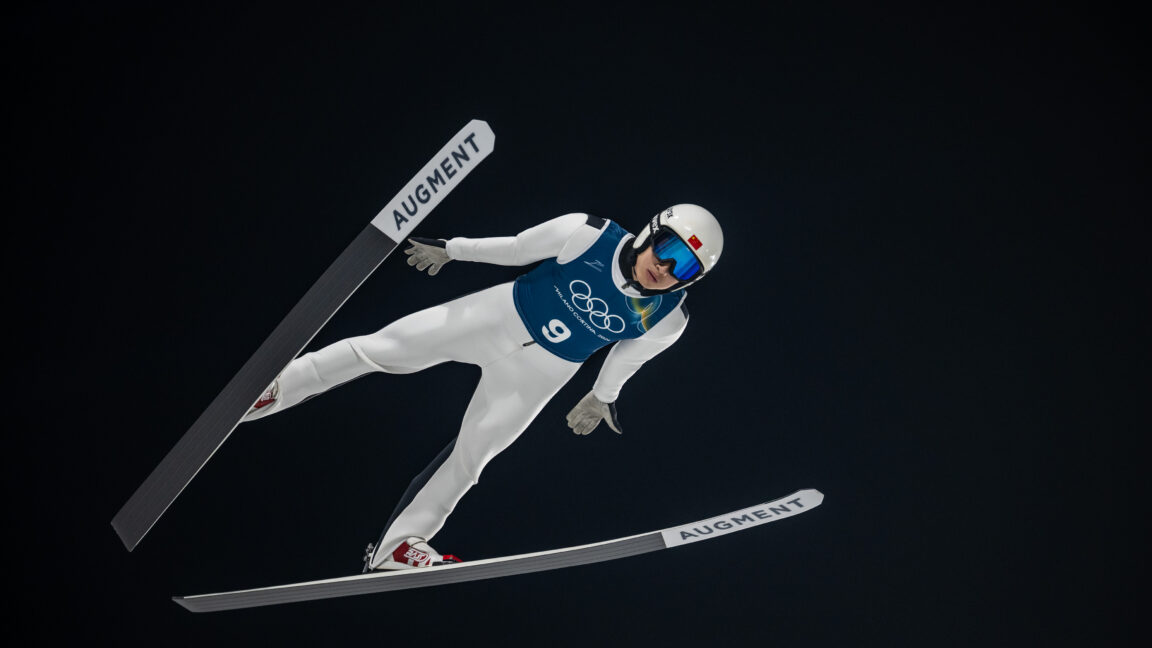
Penisgate Scandal Rocks the Olympics: The Risky Pursuit of Bigger Bulges for Athletic Advantage
As the 2026 Winter Olympics kick off, the sporting world has been rocked by a scandalous revelation: some male ski jumpers have resorted to injecting their penises with fillers in a brazen attempt to gain a competitive edge.
This latest chapter in the ongoing saga of athletes pushing the boundaries of performance enhancement has been dubbed "Penisgate," and it lays bare the lengths to which some will go to secure glory on the global stage.
The rumor mill first started churning when reports emerged that jumpers' pre-season 3D body scans were revealing suspiciously enlarged nether regions. The theory is that a bigger bulge in the jumpsuit could provide more surface area and, in turn, greater lift and drag - potentially translating to longer, more medal-worthy jumps.
A 2025 study published in the Frontiers in Sports and Active Living journal lent credence to this notion. Researchers found that a mere 2 centimeters of extra fabric in the crotch area of a ski jumpsuit could boost drag by 4% and lift by 5% - equating to an impressive 5.8 meters in additional jump distance.
This potential performance boost has evidently proven too tempting for some elite athletes to resist. Last year, two Norwegian Olympic medalists, Marius Lindvik and Johann Andre Forfang, were caught up in a related scandal after an anonymous video surfaced showing their head coach and suit technician illegally modifying the crotch areas of the jumpers' suits. The jumpers received a three-month suspension, while their support staff faced harsher 18-month bans.
But the latest revelation of athletes allegedly resorting to penis injections takes the concept of "bulking up" to a whole new level. The practice, while unconfirmed, has sparked widespread outrage and raised serious questions about the lengths athletes will go to gain an edge.
"This is a disturbing new low in the pursuit of athletic dominance," said renowned sports ethicist Dr. Olivia Chambers. "Artificially enhancing one's physique through invasive procedures crosses a clear ethical line and undermines the integrity of the sport."
Indeed, the potential health risks associated with such procedures are staggering. Penile fillers, often made from substances like hyaluronic acid or silicone, can lead to disfigurement, infection, and even irreversible erectile dysfunction if not administered by a qualified medical professional.
"Injecting foreign substances into such a delicate and sensitive area is incredibly risky," warned Dr. Nathan Harding, a urologist specializing in male sexual health. "These athletes are essentially gambling with their future sexual function and overall wellbeing in pursuit of fleeting glory."
Beyond the medical dangers, the ski jumping community is grappling with the broader implications of this scandal. The revelation has shattered the trust of fans and sponsors alike, who are now questioning the legitimacy of athletic achievements tainted by such blatant rule-breaking.
"This is a devastating blow to the reputation of our sport," lamented Sven Hannawald, a former Olympic ski jumping gold medalist. "The public expects us to compete on a level playing field, and this kind of cheating undermines the very essence of what we do. It's a disgrace."
For the International Olympic Committee (IOC), the fallout from Penisgate presents a complex challenge. Officials must not only investigate the validity of the claims and determine appropriate punishments, but also address the systemic issues that may have enabled such brazen attempts at circumventing the rules.
"We take these allegations extremely seriously and will launch a full investigation," said IOC President Thomas Bach. "Any athletes found to have engaged in these unethical and dangerous practices will face the harshest of consequences. The integrity of the Olympic Games is paramount, and we will not hesitate to take decisive action to protect it."
As the 2026 Winter Olympics unfold, the specter of Penisgate will loom large over the proceedings. Fans and athletes alike will be watching with bated breath, wondering whether the pursuit of bigger bulges will cast a pall over the celebrations of athletic excellence.
One thing is certain: the ski jumping community, and the Olympic movement as a whole, have been forced to confront a disturbing new frontier in the relentless quest for competitive advantage. The ramifications of this scandal will reverberate for years to come, serving as a sobering reminder of the dangers that arise when the drive to win supersedes the fundamental principles of fair play.
📰


