
Measles Outbreak in South Carolina Continues to Surge, Highlighting Ongoing Vaccine Challenges
The small southern state of South Carolina is facing a concerning measles outbreak that continues to rapidly escalate, with public health officials struggling to contain the spread of the highly contagious virus. In just the past three days, the state has identified an additional 99 cases, bringing the total to a staggering 310 since the outbreak began in October.
This latest surge in measles cases highlights the ongoing challenges in maintaining high vaccination rates and controlling infectious disease outbreaks, even in regions where the measles vaccine is widely available. As the outbreak expands, health authorities are working around the clock to trace contacts, identify exposed individuals, and urge unvaccinated residents to get immunized.
The rapid growth of the outbreak is particularly alarming, as measles is one of the most contagious viruses known to humanity. "Previous measles transmission studies have shown that one measles case can result in up to 20 new infections among unvaccinated contacts," warned Dr. Linda Bell, the state epidemiologist and incident commander for the measles response.
With 200 people currently in quarantine and 9 in isolation, the scale of the outbreak is overwhelming local public health resources. "An increasing number of public exposure sites are being identified with likely hundreds more people exposed who are not aware they should be in quarantine if they are not immune to measles," Dr. Bell added.
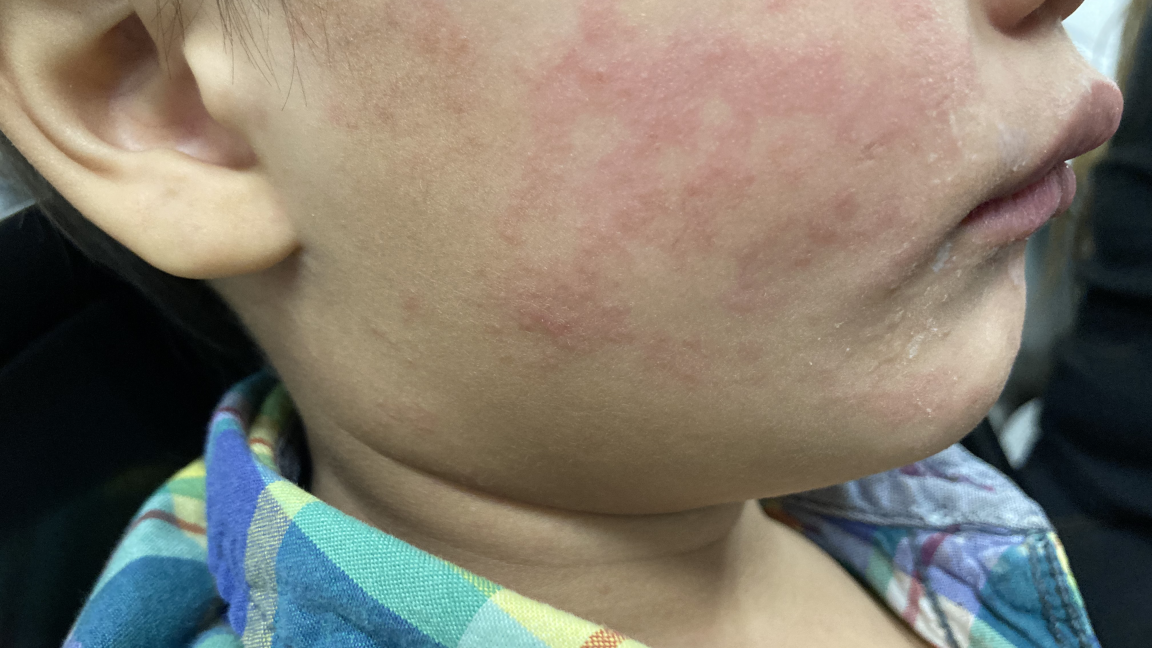
The measles virus, which causes a distinctive red rash, high fever, cough, and runny nose, can lead to severe and potentially life-threatening complications, especially in young children. These include pneumonia, encephalitis (brain inflammation), and even death. Prior to the introduction of the measles vaccine in 1963, the disease claimed the lives of hundreds of Americans each year.
While measles was declared eliminated in the United States in 2000 due to high vaccination rates, outbreaks have continued to occur, often linked to unvaccinated individuals traveling to areas with active transmission and then returning home. The current outbreak in South Carolina is believed to have been triggered by a person who visited another state with an ongoing measles situation.
The resurgence of measles in recent years has been driven, in part, by the spread of misinformation about vaccine safety and efficacy. Some parents have chosen to delay or forgo vaccinating their children, leading to pockets of unvaccinated individuals that allow the virus to gain a foothold and spread rapidly. This has been a contributing factor in several large outbreaks across the country, including a 2019 measles epidemic in New York that resulted in over 600 cases.
In response to the South Carolina outbreak, state health officials have been working to rapidly identify and isolate infected individuals, while also urging unvaccinated residents to get vaccinated as soon as possible. The measles vaccine, typically administered as part of the measles-mumps-rubella (MMR) vaccine, is considered safe and effective, with studies showing it provides long-lasting protection for the vast majority of recipients.
"Vaccination is the best way to prevent measles," emphasized Dr. Bell. "Two doses of the measles vaccine are about 97% effective in preventing the disease. We strongly encourage anyone who has not been vaccinated to get vaccinated as soon as possible to protect themselves, their families, and their communities."
The South Carolina outbreak is a sobering reminder that the fight against infectious diseases is an ongoing battle that requires vigilance and a sustained commitment to public health. As the state grapples with this growing crisis, it serves as a cautionary tale for the rest of the country, underscoring the importance of maintaining high vaccination rates and being prepared to respond swiftly to emerging disease threats.
Ultimately, the success in controlling the South Carolina measles outbreak will depend on the ability of public health authorities to quickly identify and isolate infected individuals, while also convincing unvaccinated residents to get immunized. With the potential for further spread, the coming weeks and months will be critical in determining whether this outbreak can be brought under control before it causes even greater harm to the state's communities.
📰


