
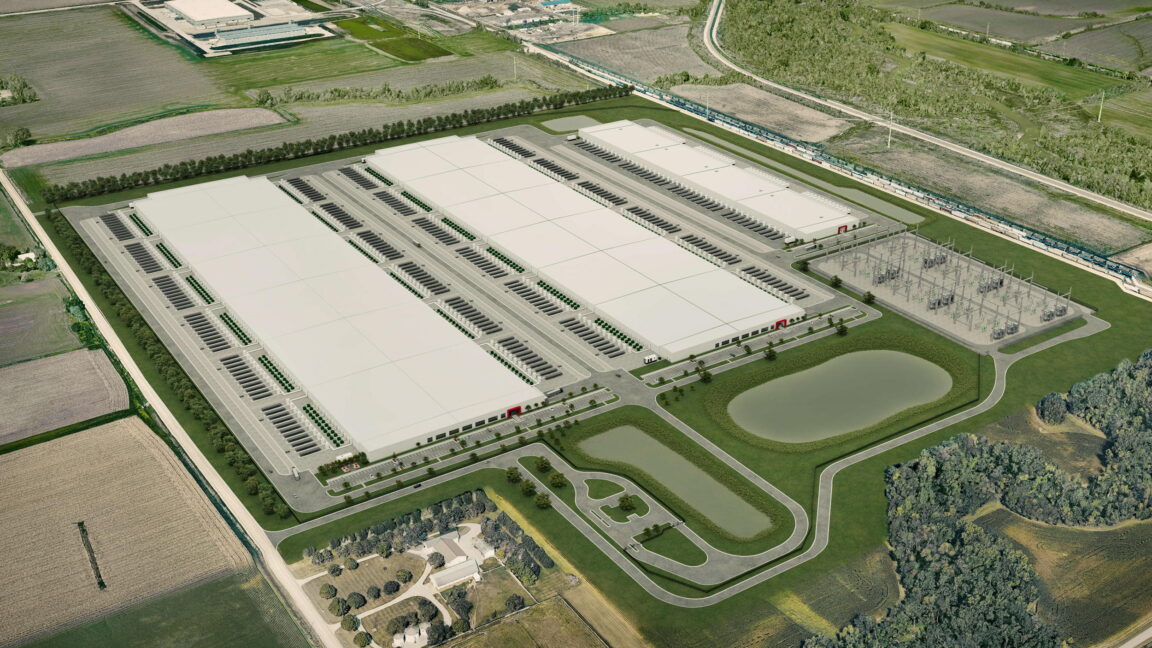
Iowa County Adopts Strict Zoning Rules for Data Centers, but Residents Still Worry
In the small town of Palo, Iowa, where the local economy once revolved around agriculture, a new industry has emerged as a source of both opportunity and concern. Data centers, those vast warehouses of servers and storage that power the digital world, have set their sights on this unassuming community along the Cedar River.
The impetus for this interest is clear. Palo's location, with its abundant land and access to reliable power and fiber-optic networks, makes it an appealing destination for tech companies seeking to expand their infrastructure. But the town's history of devastating floods has left residents wary of welcoming these digital behemoths with open arms.
In response to these concerns, Linn County, where Palo is situated, has adopted a comprehensive set of zoning rules specifically tailored to data centers. The regulations aim to balance the economic potential of these facilities with the need to protect the community from the risks of natural disasters.
"We want to encourage this industry, but we also have a responsibility to our residents," explains Stacey Walker, a Linn County Supervisor. "The lessons of 2008 are still fresh in our minds, and we can't ignore the reality of climate change and the increasing frequency of extreme weather events."
The new zoning rules impose stringent requirements on data center developers, including mandatory flood mitigation measures, strict building codes, and limitations on the amount of land that can be dedicated to these facilities. Proponents argue that these measures will safeguard the community while still allowing for responsible growth.
However, some residents remain skeptical. "Sure, the county has put these rules in place, but what happens when the next big storm hits?" says local business owner, Sarah Johnson. "We can't control the weather, and no matter how many precautions are taken, I worry that our town could be left underwater again."
The concerns in Palo mirror a broader debate unfolding across the country as communities grapple with the double-edged sword of data center development. On one hand, these facilities promise economic growth, job creation, and a foothold in the digital economy. On the other, they can place significant demands on local resources and infrastructure, while also exposing communities to the risks of natural disasters.
In recent years, data center construction has surged, driven by the relentless demand for cloud computing, streaming services, and online storage. According to industry estimates, global data center capacity is expected to grow by more than 20% annually over the next several years. This rapid expansion has led to intense competition among states and localities to attract these lucrative investments, often at the expense of thorough environmental and risk assessments.
Linn County's approach in Palo, however, represents a more cautious and comprehensive strategy. By crafting zoning rules specific to data centers, the county has sought to strike a balance between fostering economic development and safeguarding the community's well-being.
"We've learned from the mistakes of other places that have rushed headlong into data center development without proper planning," says Walker. "Our goal is to create an environment where these companies can thrive, but not at the expense of the people who call Palo home."
The new regulations require data center developers to submit detailed flood mitigation plans, including measures such as elevated buildings, reinforced foundations, and on-site stormwater management systems. Additionally, the rules limit the total land area that can be dedicated to data center facilities, ensuring that the town's agricultural character and natural floodplains are preserved.
These precautions are particularly crucial in a community like Palo, where the devastating floods of 2008 are still fresh in residents' minds. The disaster, which saw the Cedar River surge to record heights, destroyed hundreds of homes and businesses, and left the town grappling with the long-term effects of rebuilding and recovery.
"After what we went through in 2008, we know that we can't take any chances when it comes to protecting our community," says local resident, John Erikson. "The county is trying to do the right thing, but I'm still worried that no matter how much we plan, Mother Nature might have other ideas."
The tensions in Palo underscore the broader challenges facing communities across the United States as they navigate the complex interplay between economic development and environmental resilience. With the impacts of climate change becoming increasingly evident, local leaders are under pressure to balance the potential benefits of new industries with the need to safeguard their residents from the risks of natural disasters.
As the data center industry continues to expand, more and more communities like Palo will be forced to confront these difficult trade-offs. The decisions made in Linn County may serve as a model for other regions seeking to strike a balance between progress and protection, but the ultimate test will come when the next crisis strikes.
"We're doing everything we can to prepare, but at the end of the day, we're at the mercy of forces beyond our control," says Erikson. "All we can do is hope that our plans are enough to keep our town safe, no matter what the future holds."
📰