
"Pharma Execs Blast RFK Jr.'s Anti-Vaccine Agenda: Pfizer CEO Calls It 'Zero Scientific Merit' and 'Serving a Political Agenda'"
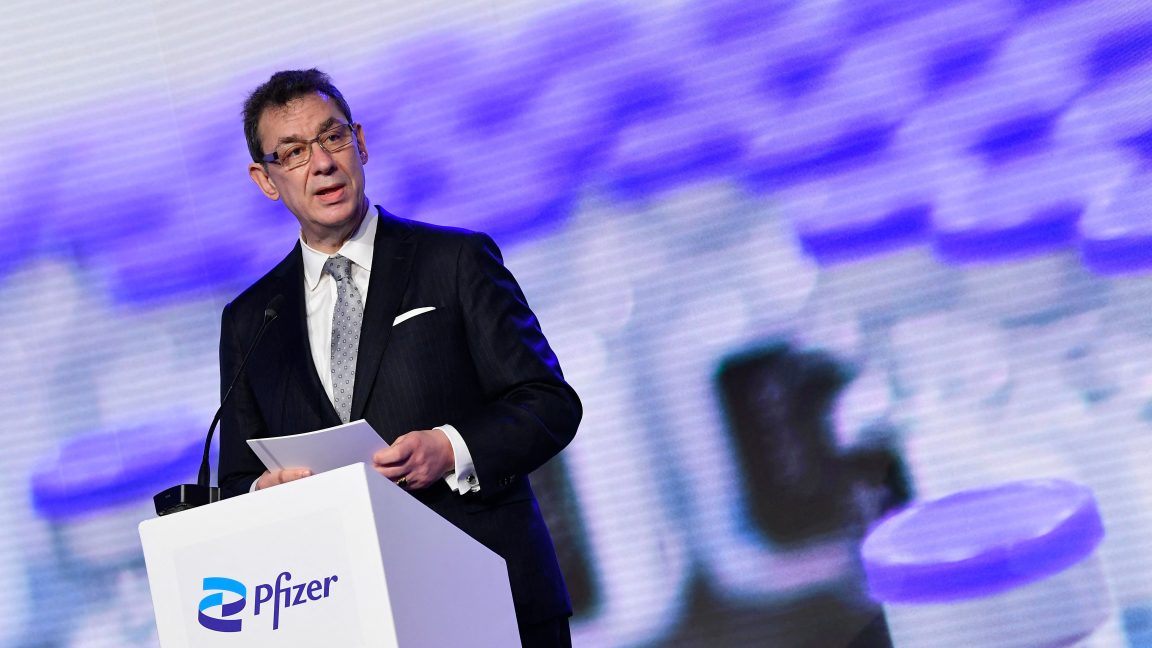
In a rare display of candor, pharmaceutical executives at the recent J.P. Morgan Healthcare Conference in San Francisco have strongly condemned the anti-vaccine agenda being pushed by Robert F. Kennedy Jr., a prominent figure in the anti-vaccination movement. Pfizer CEO Albert Bourla, in particular, offered some of the most scathing criticisms, expressing his frustration and disappointment with Kennedy's actions.
The backdrop to this clash is the ongoing battle over vaccine safety and efficacy, which has become increasingly politicized in recent years. Kennedy, the son of the late Senator Robert F. Kennedy, has emerged as a vocal critic of vaccines, often making claims that they are unsafe or linked to a range of health issues, despite overwhelming scientific evidence to the contrary.
Bourla's remarks, as reported by Bloomberg, reflected the growing exasperation within the pharmaceutical industry with Kennedy's tactics. "I am very annoyed. I'm very disappointed. I'm seriously frustrated," Bourla said. "What is happening has zero scientific merit and is just serving an agenda which is political, and then antivax."
The Pfizer CEO's words underscore the industry's frustration with the persistent spread of misinformation and the erosion of public trust in vaccines, which are widely recognized as one of the most effective public health interventions in history. Vaccines have saved millions of lives worldwide, and their importance has been especially highlighted during the COVID-19 pandemic, where they have played a crucial role in mitigating the impact of the virus.
Kennedy's anti-vaccine crusade, however, has sought to undermine this consensus, often relying on cherry-picked data, debunked theories, and personal anecdotes rather than rigorous scientific evidence. This approach has drawn the ire of public health experts, who have repeatedly debunked his claims and warned of the dangerous consequences of his messaging.
The pharmaceutical industry, which has historically been cautious in its criticism of the Trump administration, appears to have reached a breaking point with Kennedy's actions. Bourla's comments reflect a growing willingness within the industry to directly challenge the misinformation and political agendas that have threatened the public's trust in vaccines.
This confrontation is particularly significant given the crucial role that vaccines play in protecting public health. Vaccines are not only essential for individual well-being but also contribute to herd immunity, which helps protect the most vulnerable members of society, such as young children, the elderly, and those with compromised immune systems.
The pharmaceutical industry's decision to publicly call out Kennedy's anti-vaccine agenda is a testament to the seriousness of the situation. By speaking out, they are not only defending their own products but also advocating for the broader public interest and the well-being of communities across the country.
The implications of this clash extend beyond the immediate debate over vaccine safety. It highlights the broader struggle to maintain scientific integrity and evidence-based policymaking in the face of growing political polarization and the proliferation of misinformation. As the COVID-19 pandemic has shown, the ability to trust and rely on scientific expertise is crucial for navigating complex public health challenges.
The pharmaceutical industry's willingness to confront Kennedy's anti-vaccine agenda may also signal a shift in the broader public discourse on this issue. By openly challenging the misinformation and political agendas that have undermined public trust in vaccines, the industry is sending a clear message that it will not idly stand by while the health and safety of the public are endangered.
As the debate over vaccine policy continues to unfold, it will be important for the public to remain informed and to rely on authoritative sources of information. The pharmaceutical industry's stance on this issue serves as a reminder of the importance of science-based decision-making and the need to resist the politicization of public health issues.
📰


