
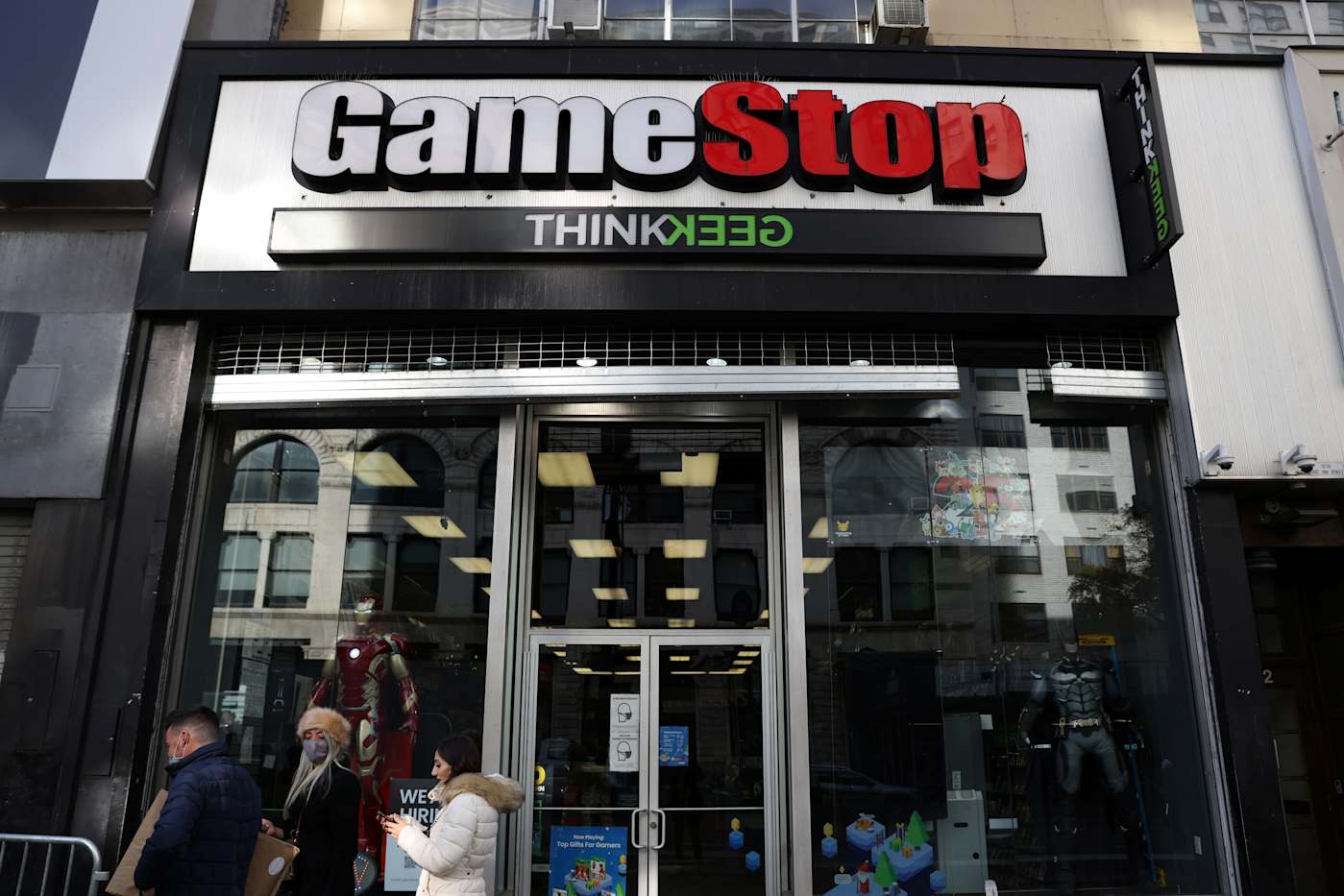
GameStop's Retail Reckoning: The Closure of 400+ US Stores
In a move that has sent shockwaves through the gaming industry, GameStop, the iconic video game retailer, has announced plans to shut down more than 400 of its physical stores across the United States. This strategic decision comes as the company grapples with the evolving landscape of the gaming market, marked by the rise of digital downloads and the shift in consumer preferences.
The news, first reported by Polygon, paints a sobering picture for the once-dominant retailer. According to a blog that tracks GameStop's store closures, a staggering 410 locations are confirmed to be closing or have already shuttered, with an additional 11 reportedly on the chopping block as of January 10th.
These closures are not entirely unexpected, as GameStop's own SEC filing for December 2025 had already alluded to the company's intention to "anticipate closing a significant number of additional stores in fiscal 2025." This fiscal year, which ends on January 31, 2026, appears to be the pivotal timeframe for GameStop's strategic shift.
The company's decision to shutter a significant portion of its physical footprint is not limited to the United States. GameStop's SEC filing also noted plans to reduce its presence in several European countries and Canada, underscoring the global nature of this transformation.
The driving force behind these closures can be traced back to the evolving landscape of the gaming industry. The rise of digital distribution platforms, such as Steam, the PlayStation Store, and the Xbox Store, has fundamentally altered the way gamers purchase and consume content. Increasingly, consumers are opting for the convenience and immediacy of digital downloads, bypassing the need for physical retail outlets.
Furthermore, the COVID-19 pandemic has accelerated this shift, as lockdowns and social distancing measures have encouraged a greater reliance on online shopping and digital entertainment. GameStop, which has long been synonymous with the brick-and-mortar gaming experience, has found itself struggling to adapt to these rapidly changing consumer preferences.
Despite the company's efforts to diversify its offerings, such as exploring the world of cryptocurrency and non-fungible tokens (NFTs) with the launch of a dedicated marketplace, these endeavors have largely failed to gain traction. The GameStop NFT marketplace, in particular, has been met with lukewarm reception, further highlighting the challenges the company faces in charting a new course.
The decision to close over 400 stores across the US is not merely a reflection of GameStop's internal struggles but also a broader industry-wide trend. Retailers in the gaming and entertainment sectors have faced mounting pressures, with several high-profile chains, such as Toys "R" Us and Blockbuster, succumbing to the digital revolution.
In the case of GameStop, the closure of these physical locations is a necessary, albeit painful, step in the company's efforts to adapt and survive in the ever-evolving digital landscape. By streamlining its physical footprint, GameStop aims to redirect its resources and focus towards strengthening its online presence and exploring alternative revenue streams.
However, the implications of these closures extend beyond just GameStop. The loss of hundreds of retail locations will have a ripple effect on the broader gaming ecosystem, impacting not only the company's employees but also the communities that have long relied on these stores as hubs for gaming enthusiasts.
Furthermore, the closure of these stores raises questions about the future of physical retail in the gaming industry. Will the industry's reliance on digital distribution continue to erode the need for brick-and-mortar stores, or will there be a resurgence of physical retail in the years to come?
These are the questions that industry analysts and GameStop's leadership team will grapple with as they navigate the challenges ahead. The company's future success will hinge on its ability to reinvent itself, leveraging its brand recognition and customer loyalty to find new ways to engage with the gaming community in the digital age.
As GameStop embarks on this retail reckoning, the gaming world watches with bated breath, wondering how the once-dominant force in the industry will adapt and evolve to meet the demands of the 21st-century consumer. The closure of over 400 stores is merely the first chapter in a broader story of transformation, one that will shape the future of the gaming industry for years to come.
📰


