
Uncovering the Secrets of a Massive Medieval Shipwreck: A Glimpse into Denmark's Maritime Past
In a remarkable discovery that sheds new light on medieval maritime trade and exploration, archaeologists have unearthed the wreckage of an enormous cargo ship off the coast of Denmark. This monumental find, dubbed the Skaelget 2 shipwreck, offers a rare glimpse into the technological advancements and economic might of the era, as well as the challenges and risks faced by seafaring merchants centuries ago.
The Skaelget 2, a towering cog-style vessel, was discovered by archaeologists surveying the seabed in preparation for a construction project in the waters off Copenhagen. Lying on its side, half-buried in the sand 12 meters below the choppy Øresund strait, the wreck's impressive size and well-preserved state have captivated researchers and historians alike.
Through meticulous analysis of the ship's wooden planks and timbers, the team was able to determine that the Skaelget 2 was constructed around the year 1410 CE. This date places the vessel firmly within the height of the Hanseatic League, a powerful commercial alliance that dominated maritime trade in Northern Europe during the late Middle Ages.
The Hanseatic Heyday: Cogs and the Rise of Medieval Commerce
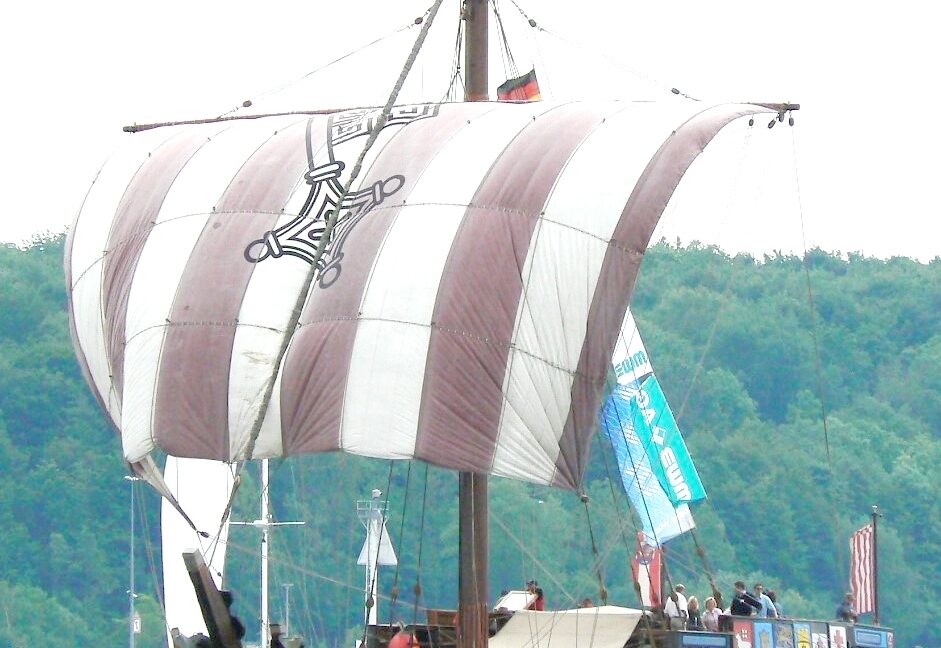
The Skaelget 2 was a product of the Hanseatic era, a period marked by the rise of the cog – a wide, high-sided, flat-bottomed ship designed for the transportation of bulk cargo. These vessels represented a significant technological advancement from the earlier Viking knarrs, boasting greater cargo capacity, improved stability, and the ability to navigate more treacherous waters.
Cogs were the workhorses of the Hanseatic trade network, ferrying a diverse array of goods from the bustling ports of the Netherlands, around the Danish coast, and into the Baltic Sea. These included everything from timber and furs to grain, salt, and even rare spices – all of which were in high demand across the expanding markets of Northern Europe.
The discovery of the Skaelget 2 provides a rare opportunity to study the construction techniques and design features that made cogs such successful and influential vessels. By analyzing the ship's hull, mast, and rigging, archaeologists hope to uncover insights into the engineering principles that allowed these ships to thrive in the challenging maritime conditions of the era.
Moreover, the wreck's location in the Øresund, a strategic chokepoint between the North Sea and the Baltic, underscores the crucial role that Denmark played in the Hanseatic trading system. As a key transit point, the Øresund was a vital artery for the movement of goods, and the discovery of the Skaelget 2 offers a tangible connection to the bustling commercial activity that once defined this region.
A Glimpse into the Lives of Medieval Seafarers
Beyond the insights into maritime technology and trade, the Skaelget 2 wreck also holds the potential to reveal valuable information about the daily lives and experiences of the seafarers who crewed these vessels. By examining the personal effects, tools, and other artifacts recovered from the wreck, researchers hope to gain a more nuanced understanding of the challenges, risks, and hardships faced by medieval sailors.
The cog's large cargo hold and spacious design suggest that the Skaelget 2 was capable of carrying a sizable crew, perhaps upwards of 20 or 30 men. These individuals would have been responsible for navigating the treacherous waters, operating the ship's sails and rigging, and ensuring the safe delivery of their valuable cargo. The discovery of the wreck provides a rare opportunity to delve into the lived experiences of these maritime professionals, whose stories have long been overshadowed by the more prominent figures of the age.
Moreover, the Skaelget 2's fate – its final resting place at the bottom of the Øresund – underscores the inherent dangers and unpredictability of medieval seafaring. While the cog was a technological marvel of its time, it was still vulnerable to the whims of wind, waves, and unforeseen hazards that could doom even the sturdiest of vessels. The wreck's discovery serves as a poignant reminder of the sacrifices and risks borne by those who ventured out onto the high seas in pursuit of fortune and commerce.
Unlocking the Secrets of the Past
As archaeologists continue to meticulously excavate and study the Skaelget 2 wreck, the potential for new discoveries and insights into medieval maritime history is truly exciting. The sheer size and well-preserved state of the vessel offer a rare opportunity to delve into the intricacies of cog construction, the organization of Hanseatic trade networks, and the lived experiences of the seafarers who braved the treacherous waters of the North Sea and Baltic.
Moreover, the Skaelget 2 wreck serves as a tangible reminder of Denmark's rich maritime heritage and the country's pivotal role in the commercial dynamics of the late Middle Ages. As a strategic chokepoint and thriving center of trade, the Øresund strait witnessed the ebb and flow of countless vessels over the centuries, each carrying its own unique story. The discovery of the Skaelget 2 thus represents a significant contribution to our understanding of this history, and a valuable addition to the cultural heritage of Denmark and the broader region.
As the excavation and study of the Skaelget 2 wreck continue, the world eagerly awaits the insights and revelations that this remarkable find will undoubtedly yield. From the technical marvels of medieval shipbuilding to the human experiences of those who braved the seas, this wreck promises to shed new light on a pivotal chapter in the annals of maritime history, offering a captivating window into the past that will fascinate scholars and the public alike.
📰


