
A Puzzling Rash: The Keto Diet's Unexpected Side Effect
The ketogenic diet, praised for its weight loss benefits and touted as a potential treatment for various health conditions, has recently been linked to an unusual and perplexing skin rash. A case study published in the New England Journal of Medicine has shed light on this unexpected side effect, leaving both medical professionals and the public intrigued.
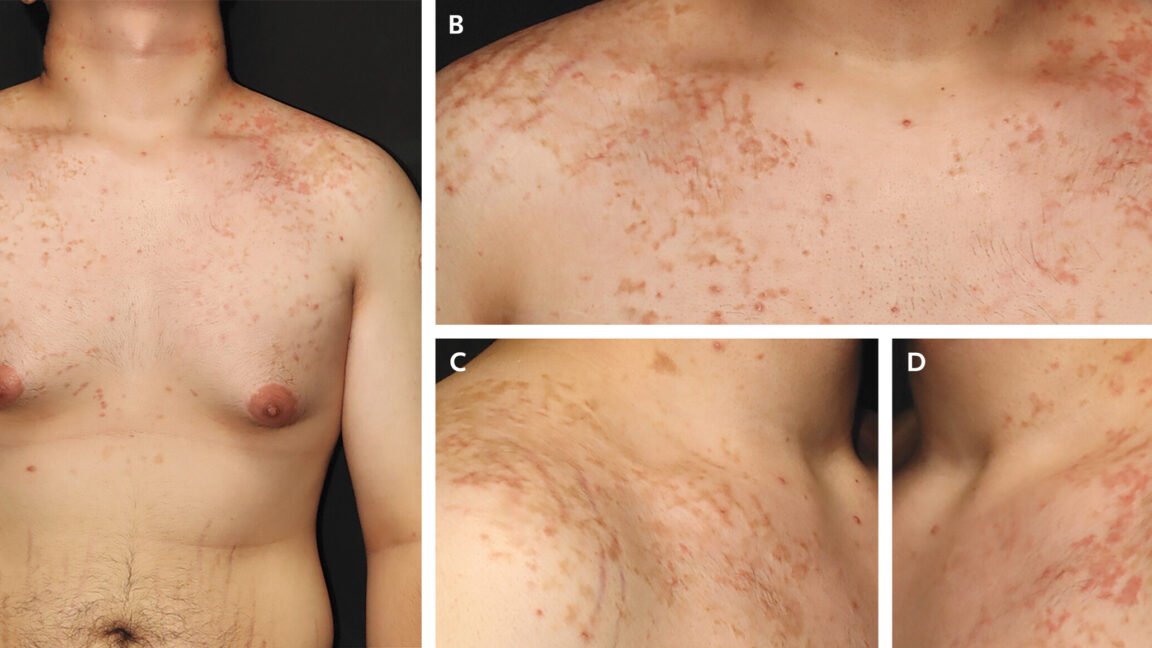
The case in question involves a 20-year-old man in Taiwan who sought medical attention for a persistent, itchy rash that had developed across his shoulders and chest. The rash, characterized by raised, red patches, had been bothering him for a full month. What made this case particularly interesting was the additional development of pigmented skin interspersed with the red, inflamed areas.
When the doctors examined the man's skin, they found swelling between the skin cells and inflammation around the blood vessels. However, further testing did not reveal any other common signs of skin conditions, leaving the medical team stumped. It wasn't until the patient revealed his recent dietary change that the doctors were able to make a connection.
The man had adopted a ketogenic diet two months prior to the onset of the rash. The ketogenic diet, a high-fat, low-carbohydrate eating pattern, forces the body to shift from using glucose (derived from carbohydrates) as its primary energy source to relying on fat instead. This metabolic state, known as ketosis, is the foundation of the diet's purported benefits, which include weight loss, improved insulin sensitivity, and potential therapeutic applications for conditions like epilepsy and Alzheimer's disease.
While the ketogenic diet has gained significant popularity in recent years, this case report highlights an unexpected and puzzling side effect that healthcare providers and the public should be aware of. The discovery of this rash, which has been dubbed the "keto rash," underscores the need for further research to understand the underlying mechanisms and potential risk factors associated with this dietary approach.
The medical team's investigation into the case revealed that the patient's skin biopsy showed no evidence of an allergic reaction or any other known skin condition. This suggests that the rash may be a unique consequence of the ketogenic diet, rather than a result of an underlying medical issue.
One possible explanation put forth by the researchers is that the shift in metabolic state during ketosis may lead to changes in the skin's barrier function or immune response, triggering the development of the rash. The pigmentation observed in the patient's skin may also be a result of the body's attempt to adapt to the altered metabolic state.
It's important to note that this case report represents a single occurrence, and more research is needed to determine the prevalence and underlying mechanisms of the "keto rash." Additionally, it remains unclear whether this side effect is specific to the individual or if it may affect a broader population of individuals following a ketogenic diet.
The discovery of this unusual rash raises important questions about the potential risks and side effects associated with the ketogenic diet. While the diet has been lauded for its weight loss and other health benefits, this case report serves as a reminder that dietary interventions can have unexpected consequences, particularly on the body's largest organ – the skin.
For individuals currently following or considering a ketogenic diet, this case report underscores the importance of being vigilant for any changes in skin health and seeking prompt medical attention if concerning symptoms arise. Healthcare providers, in turn, should be aware of this potential side effect and incorporate questions about dietary habits into their clinical assessments, especially when presented with unexplained skin conditions.
As the popularity of the ketogenic diet continues to grow, it is crucial that the medical and research communities work together to better understand the full spectrum of its effects, both positive and negative. By shedding light on these unexpected outcomes, we can help individuals make informed decisions about their dietary choices and empower healthcare providers to offer comprehensive guidance and support.
The case of the 20-year-old Taiwanese man with the mysterious "keto rash" serves as a reminder that even well-intentioned dietary changes can have unintended consequences. As the scientific community delves deeper into this intriguing phenomenon, it is hoped that a greater understanding will emerge, ultimately leading to more personalized and safer dietary recommendations for those seeking to improve their health through nutritional interventions.
📰


