
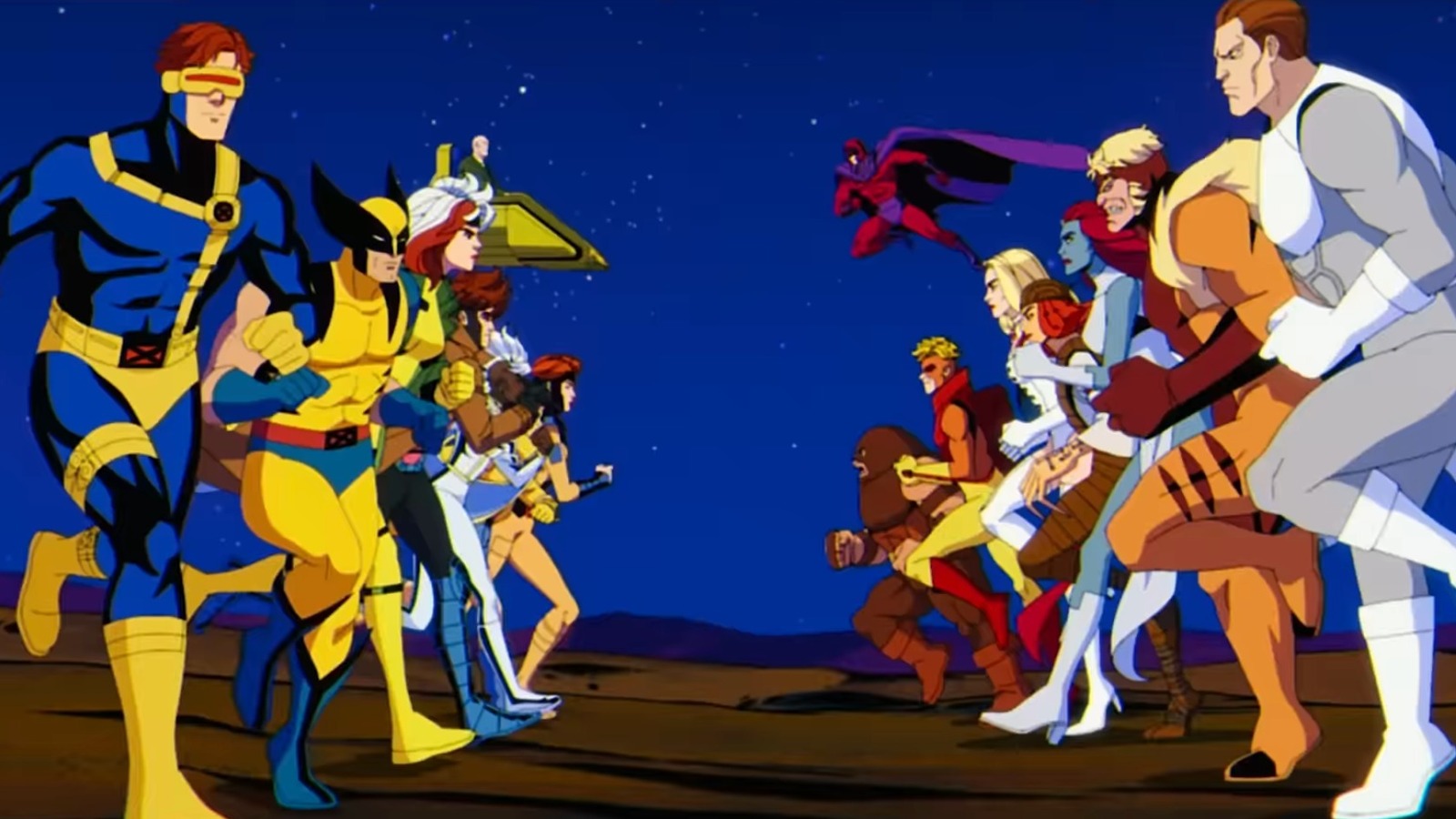
X-Men: The Animated Series' Iconic Sentinels Almost Didn't Happen
When X-Men: The Animated Series premiered in 1992, it quickly became a landmark in superhero television. The show's gritty yet compelling take on Marvel's mutant heroes struck a chord with viewers, launching a decades-long legacy. However, the creation of the series wasn't without its challenges - and one of the most significant hurdles came right at the start, with the show's very first villains.
The Sentinels, the towering mutant-hunting robots, were an iconic part of the X-Men mythos. So when the creative team behind the animated series set out to adapt the source material, they knew the Sentinels had to be featured prominently. But convincing the network to greenlight these formidable foes was easier said than done.
According to the show's writer and story editor, the Sentinels were almost scrapped entirely due to concerns from the Fox network. "The Sentinels were the first villains we wanted to use, but the network had a lot of reservations about that," recalled writer and producer Eric Lewald. "They felt the Sentinels were too advanced, too powerful, and would be too difficult for the X-Men to overcome."
The Sentinels, after all, were designed to be unstoppable juggernauts - mutant-hunting machines capable of wiping out entire teams of powerful mutants. Unleashing such a threat in the first episodes of the series was a bold creative choice, one that the network worried would be too much for young viewers to handle.
"They were concerned the Sentinels would be too scary or overwhelming for the audience," Lewald said. "There was a lot of back-and-forth about whether we could use them or not." The creative team had to fight hard to convince the network that the Sentinels were essential to the X-Men's mythology and core to the series' narrative.
Ultimately, the producers' persistence paid off. "We made the case that the Sentinels were a crucial part of the X-Men's history and central to the themes of discrimination and prejudice that the show wanted to explore," Lewald explained. "Once the network saw how we planned to use them and the role they would play, they agreed to let us proceed."
The Sentinels' debut in the series' opening episodes, "Night of the Sentinels," was a resounding success. Audiences were captivated by the towering robots and the X-Men's struggle to overcome them. The Sentinels quickly became one of the show's most iconic and enduring villains, appearing in numerous episodes and story arcs throughout the series' five-season run.
But the battle to include the Sentinels was just the first of many creative challenges the X-Men: The Animated Series team faced. As the show progressed, the writers had to carefully navigate a complex web of character rights, network demands, and fan expectations.
"We were constantly walking a tightrope, trying to balance what the fans wanted to see with what the network would allow us to do," said Lewald. "There were so many characters and storylines we had to fight for, always pushing the boundaries of what was considered acceptable for a Saturday morning cartoon."
The success of X-Men: The Animated Series, however, proved the creative team's vision was the right one. The show's gritty, nuanced approach to the X-Men's struggles resonated with viewers, who eagerly tuned in week after week to see their favorite mutants in action.
"Looking back, I'm amazed we were able to do what we did, given all the hurdles we had to overcome," Lewald reflected. "But the X-Men story is one of perseverance and overcoming adversity, and that's exactly what the creative team had to do to bring this series to life."
The fight to include the Sentinels in X-Men: The Animated Series was just the beginning of the show's legacy. The series went on to inspire generations of fans, spawning comics, films, and other adaptations that continue to captivate audiences to this day. And at the heart of it all are those iconic, unstoppable Sentinels - a testament to the creative team's unwavering commitment to staying true to the X-Men's core themes and characters.
📰

