
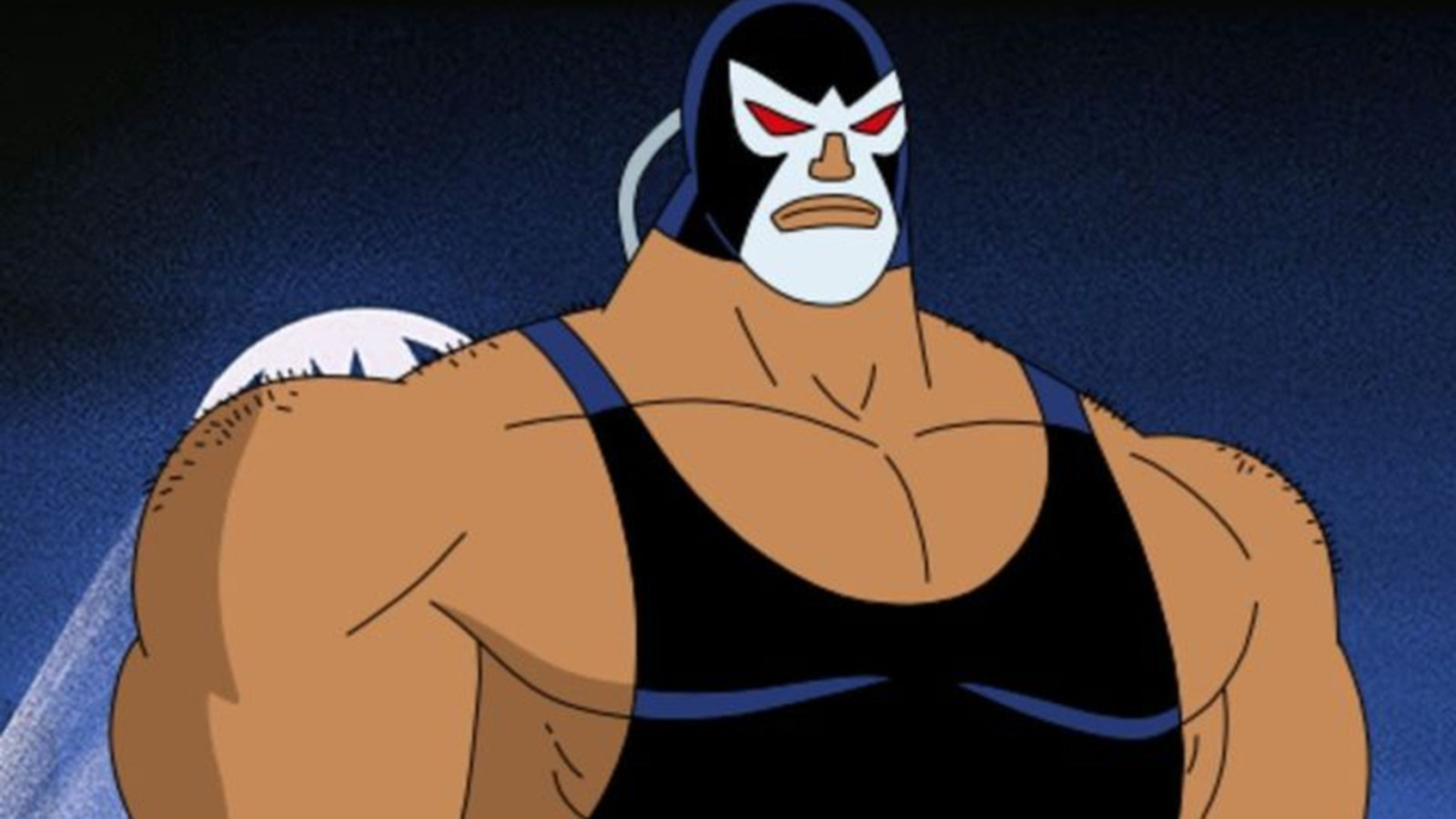
Why Batman: The Animated Series' Creators Originally Didn't Want To Use Bane
When the producers of the beloved '90s cartoon "Batman: The Animated Series" first considered introducing the character of Bane, they were far from enthusiastic. In fact, they saw his comic book origin story as "pretty stupid" and were initially reluctant to include him in the show.
Bane's introduction in the comics had been a landmark moment for the Batman mythos. Debuting in the 1993 storyline "Knightfall," the hulking villain was the first character to successfully break the Caped Crusader's back, taking the mantle of Batman for himself in a shocking twist. However, the cartoon's creative team felt that the character's background - involving a complicated experimental drug, a prison, and his quest for vengeance - was simply too convoluted to translate well to the screen.
"Bane was a character that we initially didn't want to use," recalled producer Bruce Timm in a 2018 interview. "His origin story in the comics at the time was pretty stupid, we thought. It was this whole thing with the Venom drug and the prison and all that. We felt like it was maybe a bit too much for a kids' show."
Timm and his fellow producers Alan Burnett and Paul Dini were tasked with bringing Batman to life in an animated format that would appeal to a broad audience, from young children to hardcore comic book fans. They had already proven their ability to adapt complex characters and storylines for television, with acclaimed episodes of the show exploring dark themes and morally ambiguous villains.
However, the team was wary of delving too deeply into Bane's backstory, which they felt would overcomplicate the character and distract from the more iconic Batman rogues gallery. "We wanted to keep things relatively simple and straightforward," Timm explained. "Bane just seemed like overkill, you know?"
Nonetheless, the producers eventually reconsidered their stance after persistent requests from Warner Bros. executives to feature the breakout villain. Recognizing Bane's popularity and potential impact, they decided to adapt the character for the small screen, but with some significant changes to his origin and motivations.
In the "Batman: The Animated Series" version of Bane, the character's reliance on the experimental Venom drug was downplayed, with the focus instead placed on his impressive physical strength and determination to defeat Batman. Gone were the details of his troubled upbringing in a brutal prison, replaced with a more streamlined backstory that highlighted his intelligence and strategic mind.
"We took the core idea of Bane - this physically powerful character who wants to beat Batman - and kind of simplified it," Timm said. "We didn't want to get bogged down in all the specifics of the Venom and the prison and all that. We just wanted to introduce him as a worthy adversary for Batman, someone who could really challenge him physically."
The resulting episode, titled "Bane," aired in 1994 and was widely praised by fans and critics alike. Bane's animated debut showcased his raw power and cunning, as he systematically dismantles Batman's defenses and nearly succeeds in unmasking the Dark Knight. The episode's climactic showdown between the two titans became an iconic moment in the series, cementing Bane's status as a formidable and memorable villain.
The success of the "Bane" episode paved the way for the character's continued inclusion in the "Batman: The Animated Series" universe. He would go on to appear in several more episodes, including a notable role in the series finale, "Static." This expanded portrayal allowed the writers to further develop Bane's character, exploring his intelligence, his complicated relationship with Batman, and his own internal struggles with the Venom addiction.
Interestingly, the "Batman: The Animated Series" version of Bane would go on to have a significant impact on the character's mainstream perception. When the live-action film "Batman & Robin" introduced Bane in 1997, the filmmakers drew heavily on the animated series' interpretation, opting for a more streamlined and straightforward take on the character rather than the convoluted comic book origins.
This adaptability and willingness to reshape iconic characters to fit the needs of their medium is a hallmark of the "Batman: The Animated Series" creative team. Throughout the show's run, Timm, Burnett, Dini, and others demonstrated a keen understanding of what made the Batman mythos so compelling, and they weren't afraid to take creative risks or deviate from established canon when they felt it would serve the story better.
The case of Bane's introduction is a prime example of this approach. Although the producers were initially skeptical of the character, they ultimately recognized his potential and found a way to make him work within the constraints of their animated series. In doing so, they not only created a memorable and impactful version of Bane but also paved the way for the character's enduring popularity in the wider DC universe.
Ultimately, the story of Bane's inclusion in "Batman: The Animated Series" serves as a testament to the show's creative vision and the producers' willingness to adapt iconic characters to fit their unique medium. It's a reminder that even the most beloved and well-established characters can be reimagined and reinterpreted in exciting and unexpected ways, as long as the underlying essence of the character remains intact.
📰
