
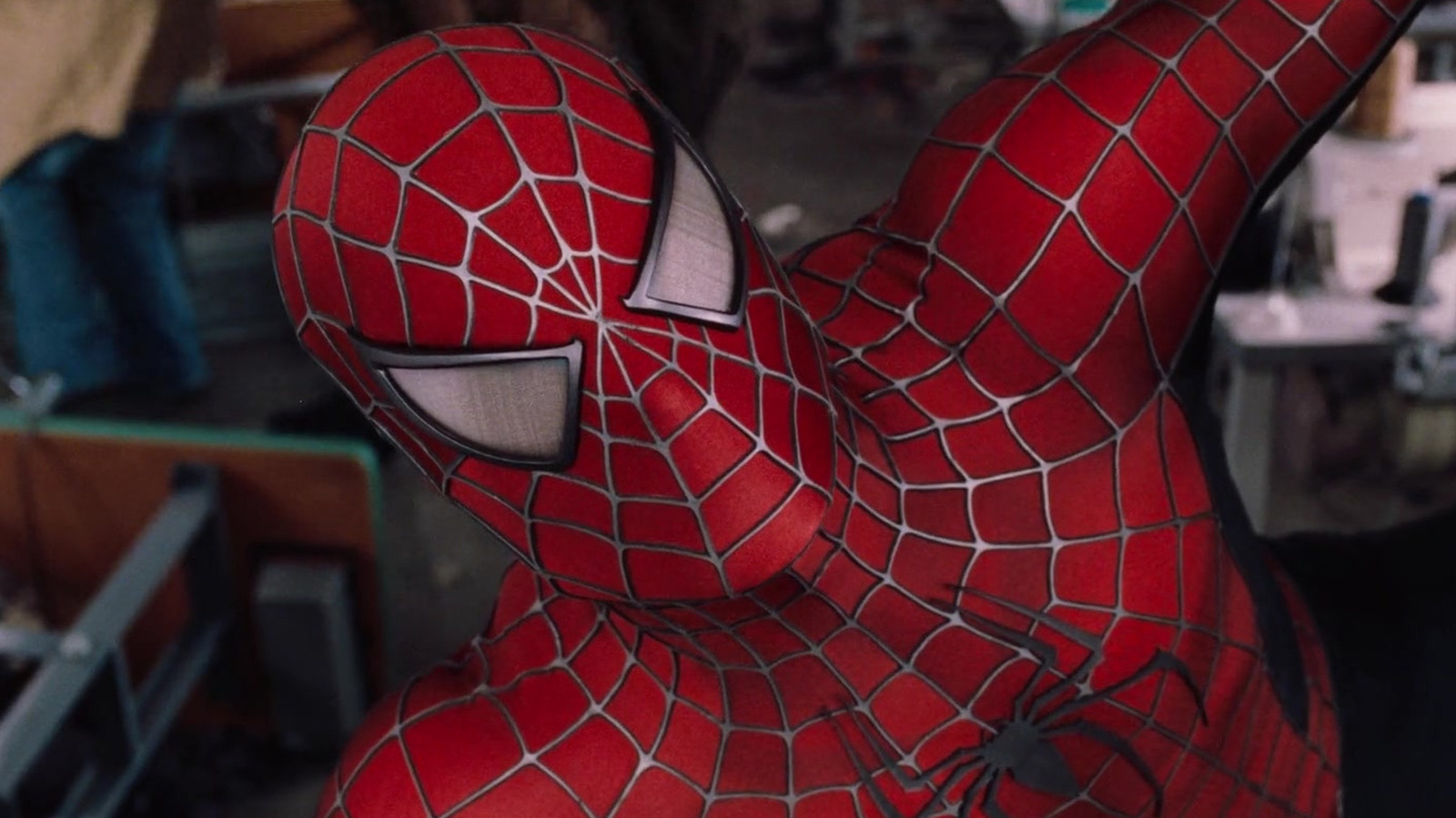
Sam Raimi's Spider-Man 2: The Superhero Writing Dream Team Behind the Film
In 2004, Sam Raimi's Spider-Man 2 hit theaters and immediately cemented its place as one of the greatest superhero films of all time. Beyond its impressive visuals, thrilling action, and compelling performances, the movie's script was a key factor in its enduring success. What many fans may not realize is that the screenplay featured the creative input of several acclaimed writers, including the minds behind a beloved superhero television series.
The primary screenwriters for Spider-Man 2 were Alvin Sargent, who had previously worked on Raimi's first Spider-Man film, and Alfred Gough and Miles Millar, the co-creators of the hit TV show Smallville. This dream team of superhero storytellers brought their unique perspectives and experiences to the table, crafting a narrative that delved deeper into the complexities of Peter Parker's life as the web-slinging Spider-Man.
Alvin Sargent, a veteran screenwriter with an impressive resume that includes films like Ordinary People and Paper Moon, was tapped to return and build upon the foundation he had established in the first Spider-Man movie. Sargent's experience in crafting character-driven dramas and exploring the human condition proved invaluable in shaping the emotional core of Spider-Man 2.
Meanwhile, Alfred Gough and Miles Millar were brought in to lend their expertise in translating comic book heroes to the screen. As the creators of Smallville, a TV series that followed a young Clark Kent's journey to becoming Superman, Gough and Millar had a deep understanding of the challenges and complexities inherent in adapting beloved superhero stories.
The collaboration between these writers proved to be a fruitful one, as Spider-Man 2 not only delivered thrilling action and spectacle but also delved deeper into the psychological and emotional struggles of its protagonist. Peter Parker, played by Tobey Maguire, is thrust into a crisis of identity, grappling with the burdens of his superhero responsibilities and the toll it takes on his personal life.
One of the standout elements of the film's script is the exploration of the relationship between Peter and his former best friend, Harry Osborn (James Franco). The writers cleverly wove in elements from the source material, including Harry's transformation into the villainous New Goblin, while also adding new layers of depth to their dynamic.
The script also showcased the writers' talent for balancing humor and drama, seamlessly blending comedic moments with heartfelt emotional beats. This deft touch was particularly evident in the scenes featuring J. Jonah Jameson, the bombastic newspaper editor played with scene-stealing gusto by J.K. Simmons.
Beyond the central narrative, the writers also incorporated subplots and supporting characters that added richness and complexity to the overall story. The relationship between Peter and his love interest, Mary Jane Watson (Kirsten Dunst), took center stage, with the writers navigating the challenges of their romance against the backdrop of Peter's superhero duties.
The introduction of Doctor Octopus, played by Alfred Molina, as the film's antagonist was also a highlight, with the writers crafting a multi-layered villain who served as a powerful foil to Spider-Man. The script delved into the personal struggles and moral dilemmas faced by Doctor Octopus, creating a compelling and sympathetic villain that elevated the film's thematic depth.
The success of Spider-Man 2's script can be attributed to the writers' deep understanding of the source material, their ability to balance character development with thrilling action, and their commitment to exploring the emotional complexities inherent in the superhero genre. The collaboration between Sargent, Gough, and Millar resulted in a screenplay that not only satisfied longtime Spider-Man fans but also captivated a broader audience with its engaging storytelling and complex character arcs.
The impact of Spider-Man 2's script can be seen in the film's enduring popularity and critical acclaim. It is widely regarded as one of the best superhero films ever made, with many considering it the high point of Raimi's Spider-Man trilogy. The script's ability to seamlessly blend the fantastical elements of the superhero world with relatable human drama has cemented its place in cinematic history.
In the years since its release, Spider-Man 2's script has continued to be studied and celebrated by aspiring screenwriters, filmmakers, and fans alike. It serves as a testament to the power of collaborative storytelling and the transformative potential of blending diverse creative voices to craft a truly exceptional cinematic experience.
📰


