
One-Punch Man's Steady Decline: A Fall from Grace or a Cautionary Tale?
Once touted as a shining example of modern anime, One-Punch Man has fallen victim to a fate that often befalls beloved series – a sharp decline in quality. What was once a standout show known for its sharp humor, intense animation, and clever deconstruction of typical tropes has now become a shadow of its former self, leaving fans and critics alike wondering what went wrong.
The series' origins can be traced back to 2009, when artist ONE began publishing the webcomic that would eventually inspire the anime adaptation. The story of Saitama, a hero so powerful that he can defeat any opponent with a single punch, quickly gained a dedicated following for its unique premise and irreverent take on the superhero genre.
In 2015, the anime adaptation of One-Punch Man, produced by Madhouse, premiered to widespread acclaim. The sharp visual style, dynamic fight sequences, and tongue-in-cheek humor captured the essence of the original webcomic, resonating with audiences around the world. The first season was a resounding success, cementing the series' status as a must-watch for anime fans.
However, the cracks in the foundation began to show with the arrival of the second season in 2019. Animated by a different studio, J.C.Staff, the season was immediately met with criticism from fans and critics alike. The animation quality took a noticeable dip, with many sequences appearing stiff and lacking the energy that defined the first season. Additionally, the pacing felt uneven, and the overall narrative lost some of the momentum that had made the original so compelling.
Now, with the highly anticipated third season on the horizon, the concerns surrounding One-Punch Man's future have only grown. In a recent interview, Chikashi Kubota, an animator who has worked on the popular anime series Jujutsu Kaisen, shed some light on the challenges faced by the One-Punch Man production team.
Kubota revealed that the series' rapid pace and the demands of its intricate animation have taken a toll on the animators involved. He explained that the team behind One-Punch Man has been working under immense pressure, often sacrificing their personal well-being to meet the rigorous deadlines.
"The staff members are working so hard, even to the point of overwork and exhaustion," Kubota said. "It's a situation where they are facing various difficulties and challenges."
This insight into the production challenges provides valuable context for the series' decline in quality. When animators are pushed to their limits, it inevitably shows in the final product, as the attention to detail and the overall fluidity of the animation suffer.
Moreover, the transition to a new animation studio for the second season seems to have compounded the issues. While Madhouse's work on the first season set a high bar, J.C.Staff struggled to replicate the same level of visual excellence, leading to a noticeable dip in the quality of the fight sequences and other action-heavy moments.
The implications of One-Punch Man's downward trajectory go beyond the series itself. It serves as a cautionary tale for the anime industry, highlighting the importance of maintaining a sustainable production model and ensuring the well-being of the talented individuals who bring these captivating stories to life.
As fans eagerly await the third season, there are concerns that the series may not be able to recapture the magic of its early days. The pressure to deliver the same level of quality, combined with the ongoing challenges faced by the production team, could continue to hinder the series' ability to live up to its former glory.
Nevertheless, there is still hope that the One-Punch Man team can turn things around. With the right resources, a renewed focus on the core elements that made the series so beloved, and a commitment to the well-being of the animators, the third season could potentially mark a return to form.
Ultimately, the fate of One-Punch Man serves as a cautionary tale, reminding both the industry and audiences that even the most promising of series are not immune to the pitfalls of overwork and creative burnout. As the anime landscape continues to evolve, it is essential that studios and creators find a way to balance the demands of production with the need to maintain the quality and integrity of the work.
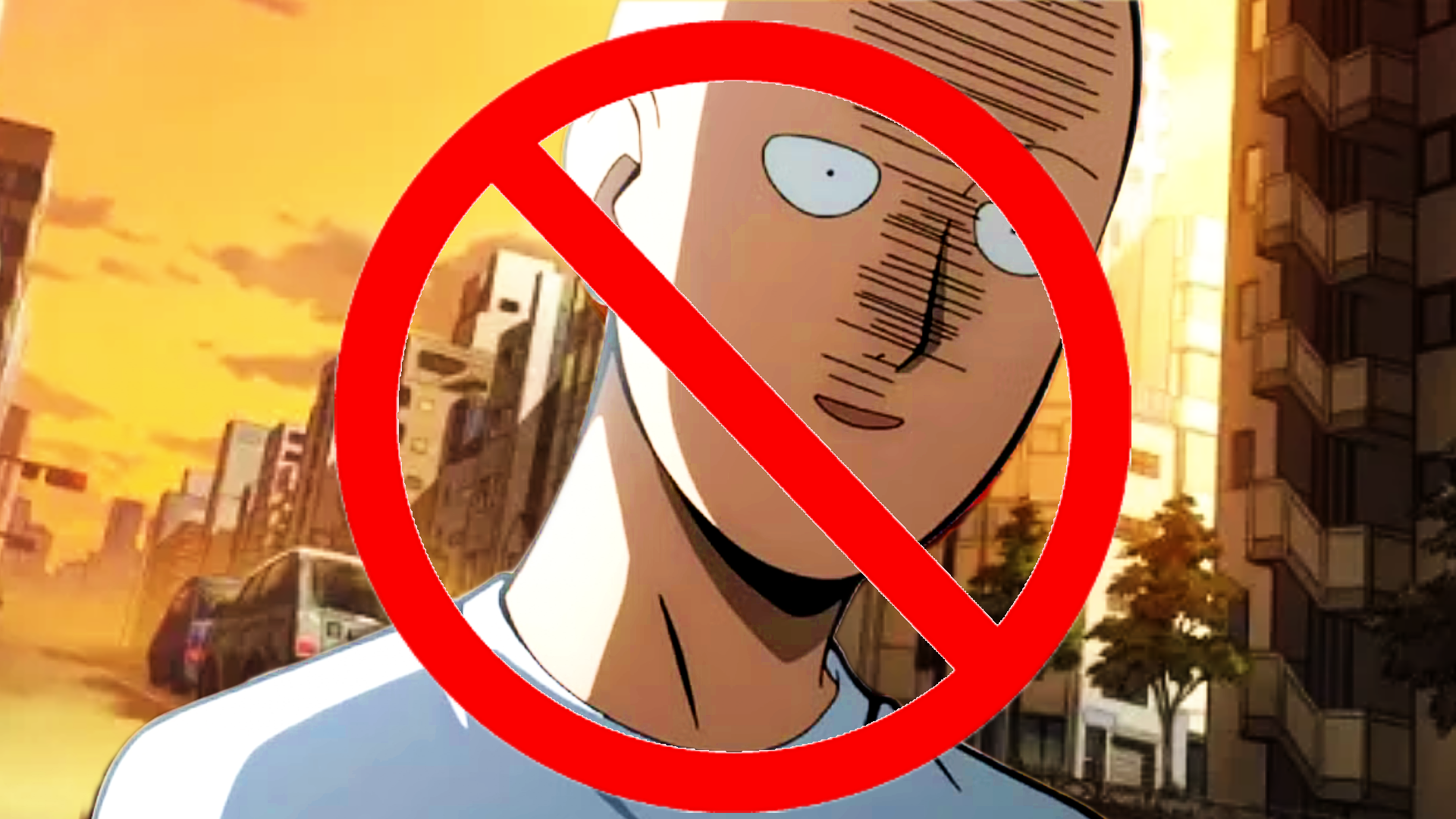
One-Punch Man Is Cooked & a JJK Animator Is Sharing the Real Reason Why
One-Punch Man's once-shining anime has fallen into a sharp decline, leaving fans and critics questioning what went wrong with the once-standout show.
By Editorial Team••👁17,507 views
Share:
#TAGS:
Screen RantmoviesOne-Punch Mananime declinequality declinetropessharp humorintense animationdeconstruction
🔗Share this article:
Share:
📚You Might Also Like
Discover more articles based on similar topics and interests
📰
Lists
Lists
Top 10 Trending Movies This Week
Explore the top 10 trending movies this week, each offering a unique blend of captivating narratives and cinematic triumphs that are sure to captivate audiences.
👁️39.3K

Lists
Top 10 Trending Movies This Week
Explore the latest must-watch movie releases, from a gripping murder mystery to a diverse array of captivating cinematic experiences.
👁️32.7K
Lists
Best Comedy Movies to Lift Your Spirits
Discover the power of laughter with this list of the best comedy movies to lift your spirits and transport you to a realm of pure joy.
👁️13.3K
Lists
10 Most Anticipated Movies Coming in 2025
2025 promises to be an incredible year for cinema, with a diverse lineup of highly anticipated films on the horizon, including the next chapter in the beloved Cosmos sci-fi saga.
👁️21.5K
Celebrity News
Tom Hanks - Latest News and Updates
Legendary actor Tom Hanks continues to captivate audiences with his exceptional talent and versatility, cementing his status as a cultural icon.
👁️6.7K
Lists
Top 10 Trending Movies This Week
The world of entertainment is captivating audiences with a diverse array of films, led by the highly anticipated 'Zootopia 2' sequel.
👁️27.8K