
Netflix's Philip K. Dick Adaptation: A Return to Hard Sci-Fi After Stranger Things
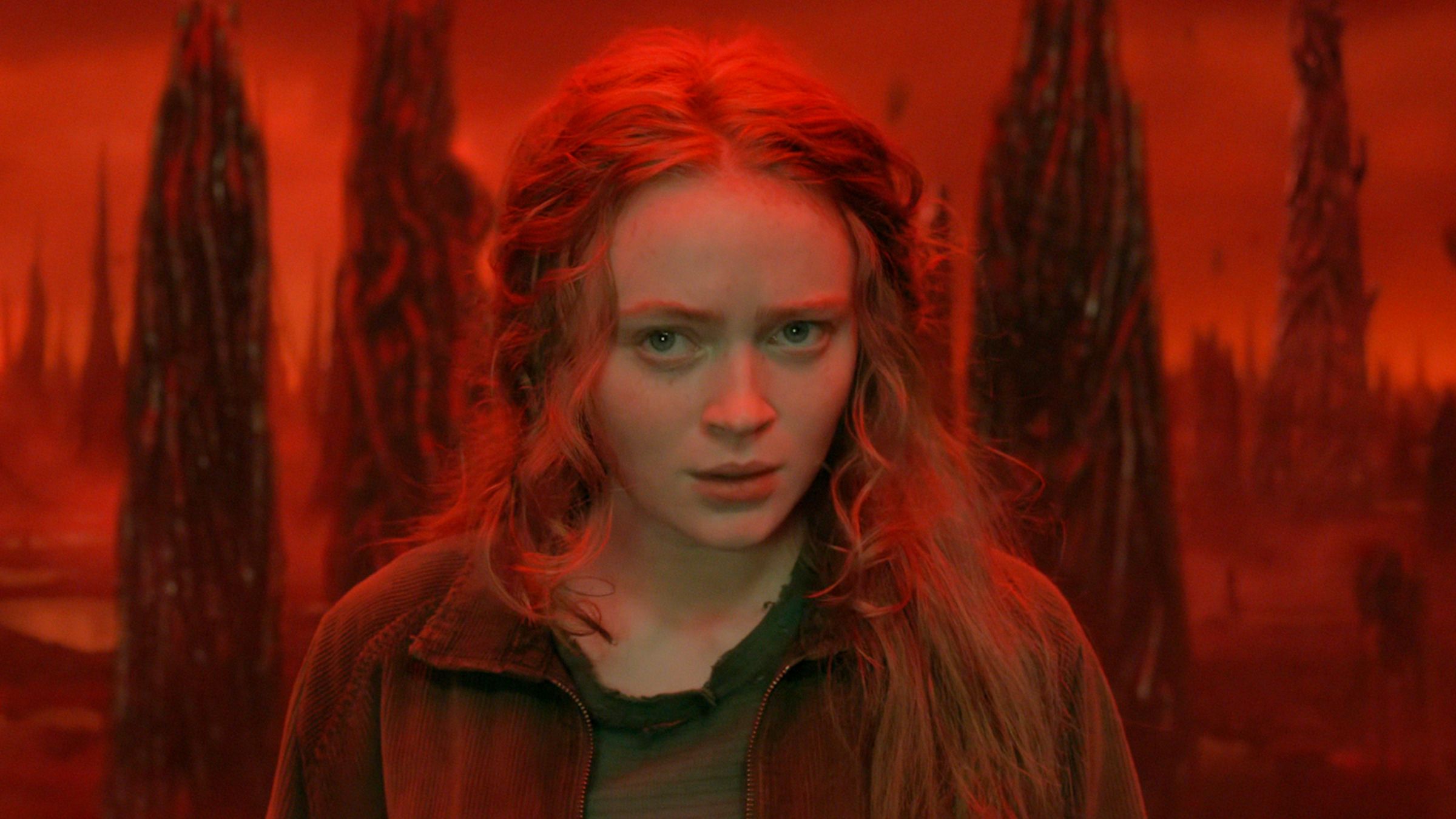
The announcement of Netflix's upcoming adaptation of a Philip K. Dick story has ignited excitement among sci-fi fans, who are eager to see the streaming giant return to the realm of hard science fiction. After the runaway success of Stranger Things, which blended '80s nostalgia with supernatural elements, this new project promises a deeper dive into the cerebral, thought-provoking sci-fi that Dick was known for.
Philip K. Dick, the celebrated author behind classics like Blade Runner, The Man in the High Castle, and Total Recall, has long been a revered figure in the science fiction genre. His work is renowned for its exploration of philosophical questions, dystopian themes, and mind-bending twists – a far cry from the more action-oriented sci-fi that has dominated mainstream Hollywood in recent years. With Stranger Things now concluded, Netflix's decision to adapt one of Dick's stories is a welcome return to the kind of challenging, intellectually stimulating sci-fi that has been missing from the streaming landscape.
While details about the specific Dick story being adapted remain scarce, the announcement alone has sparked anticipation among viewers. Dick's rich body of work, which encompasses nearly 50 novels and over 100 short stories, provides a wealth of source material for Netflix to draw from. Titles like Do Androids Dream of Electric Sheep?, The Man in the High Castle, and A Scanner Darkly have already been adapted for film and television, but there are countless other equally compelling stories waiting to be discovered by a new generation of fans.
What sets Philip K. Dick's writing apart is its ability to grapple with profound questions about the nature of reality, the erosion of individual identity, and the ethical implications of technological advancement. His narratives often blur the lines between what is real and what is illusion, challenging readers to question their own perceptions and preconceptions. This kind of cerebral, thought-provoking storytelling is a far cry from the more straightforward genre fare that has dominated much of modern science fiction.
In the wake of Stranger Things' success, Netflix has demonstrated a willingness to embrace more ambitious, genre-bending projects. The streamer's decision to adapt a work by Philip K. Dick suggests a recognition that its audience is hungry for a return to the kind of hard sci-fi that challenges and engages the intellect. While Stranger Things tapped into a nostalgic yearning for the '80s, this new adaptation will likely offer a more contemporary, nuanced exploration of the genre's potential.
The collaboration between Netflix and Philip K. Dick's estate is also noteworthy, as it represents a significant investment in the author's literary legacy. Dick's work has long been celebrated by critics and scholars, but mainstream audiences have often been more familiar with the film adaptations of his stories than the original texts. By adapting one of his lesser-known works for the small screen, Netflix has the opportunity to introduce Dick's singular vision to a wider audience and reignite interest in his broader oeuvre.
Moreover, this project aligns with a broader trend in the entertainment industry towards more mature, sophisticated science fiction narratives. In recent years, acclaimed series like The Expanse, Westworld, and Foundation have demonstrated the potential for complex, thought-provoking sci-fi to captivate mainstream viewers. By tapping into the legacy of Philip K. Dick, Netflix is positioning itself at the forefront of this movement, offering audiences a more intellectually engaging alternative to the often bombastic, special effects-driven sci-fi that has dominated popular culture.
Of course, the success of this adaptation will ultimately depend on the execution. Translating the nuanced, mind-bending quality of Dick's writing to the screen is a significant challenge, one that has tripped up many filmmakers in the past. However, Netflix's track record with genre-bending series like Stranger Things and The OA suggests that the streamer is up to the task. With the right creative team and a commitment to honoring the spirit of the source material, this Philip K. Dick adaptation could become a landmark moment in the ongoing evolution of science fiction storytelling on television.
As audiences eagerly await further details about this upcoming project, the broader significance of Netflix's decision to adapt a work by Philip K. Dick cannot be overstated. In a media landscape increasingly dominated by franchise-driven blockbusters and reboots, the opportunity to explore the depths of Dick's singular vision represents a refreshing and vital counterpoint. By embracing the complexities of hard sci-fi, Netflix has the potential to reignite a love for the genre's most intellectually stimulating and thought-provoking narratives – a development that is sure to delight fans and critics alike.
📰


