
Isaac Asimov's I, Robot: The Unfilmable Screenplay that Almost Was
Isaac Asimov's landmark 1950 short story collection I, Robot has long been considered one of the most influential works in the science fiction genre. Its themes of robotics, artificial intelligence, and the complex relationship between humans and machines have captivated readers for generations. However, translating Asimov's cerebral, ideas-driven stories to the big screen has proven to be a daunting challenge.
In the 1970s, legendary sci-fi writer Harlan Ellison stepped up to the task, collaborating with Asimov himself on a screenplay adaptation of I, Robot. This ambitious project never came to fruition, but the story behind its creation offers a fascinating glimpse into the challenges of adapting Asimov's work for a visual medium.
Ellison, known for his bold, provocative writing style, was an admirer of Asimov's work and had a longstanding relationship with the author. In the early 1970s, he approached Asimov with the idea of co-writing a screenplay based on the I, Robot stories. Asimov, who had been wary of previous attempts to adapt his work, was initially skeptical, but eventually agreed to the collaboration.
The two writers set to work, drawing from the rich tapestry of Asimov's stories to craft a cinematic vision of his iconic robots and the "Three Laws of Robotics" that govern their behavior. Ellison's dynamic, visceral approach to storytelling complemented Asimov's more cerebral, analytical style, and the resulting screenplay was a unique blend of the two authors' voices.
However, the project faced a significant obstacle from the outset: the inherent difficulty of translating Asimov's complex, ideas-driven narratives into a cohesive and visually engaging film. The I, Robot stories were renowned for their intricate exploration of philosophical and ethical questions surrounding artificial intelligence, rather than action-driven plots or flashy special effects.
Ellison and Asimov grappled with this challenge, striving to capture the essence of Asimov's vision while still crafting a compelling cinematic experience. They delved deeply into the concepts of robotics, machine intelligence, and the potential dangers and benefits of advanced technology. The resulting screenplay was a dense, ambitious work that tackled these weighty themes with the nuance and depth that Asimov's readers had come to expect.
Unfortunately, the project's ambition proved to be its downfall. At a time when big-budget science fiction films were still a relatively new phenomenon, Hollywood studios were hesitant to invest in a cerebral, idea-driven narrative that lacked the traditional action and spectacle audiences had come to expect from the genre. The Ellison-Asimov I, Robot screenplay was deemed "unfilmable" by several producers, and the project languished in development hell for years.
Despite this setback, the collaboration between Ellison and Asimov left a lasting impact on the science fiction landscape. Ellison's distinctive voice and Asimov's profound insights combined to create a unique vision that pushed the boundaries of what was possible in science fiction storytelling. The unproduced screenplay became the stuff of legend among fans and industry insiders, sparking discussions about the challenges of adapting literary masterpieces for the screen.
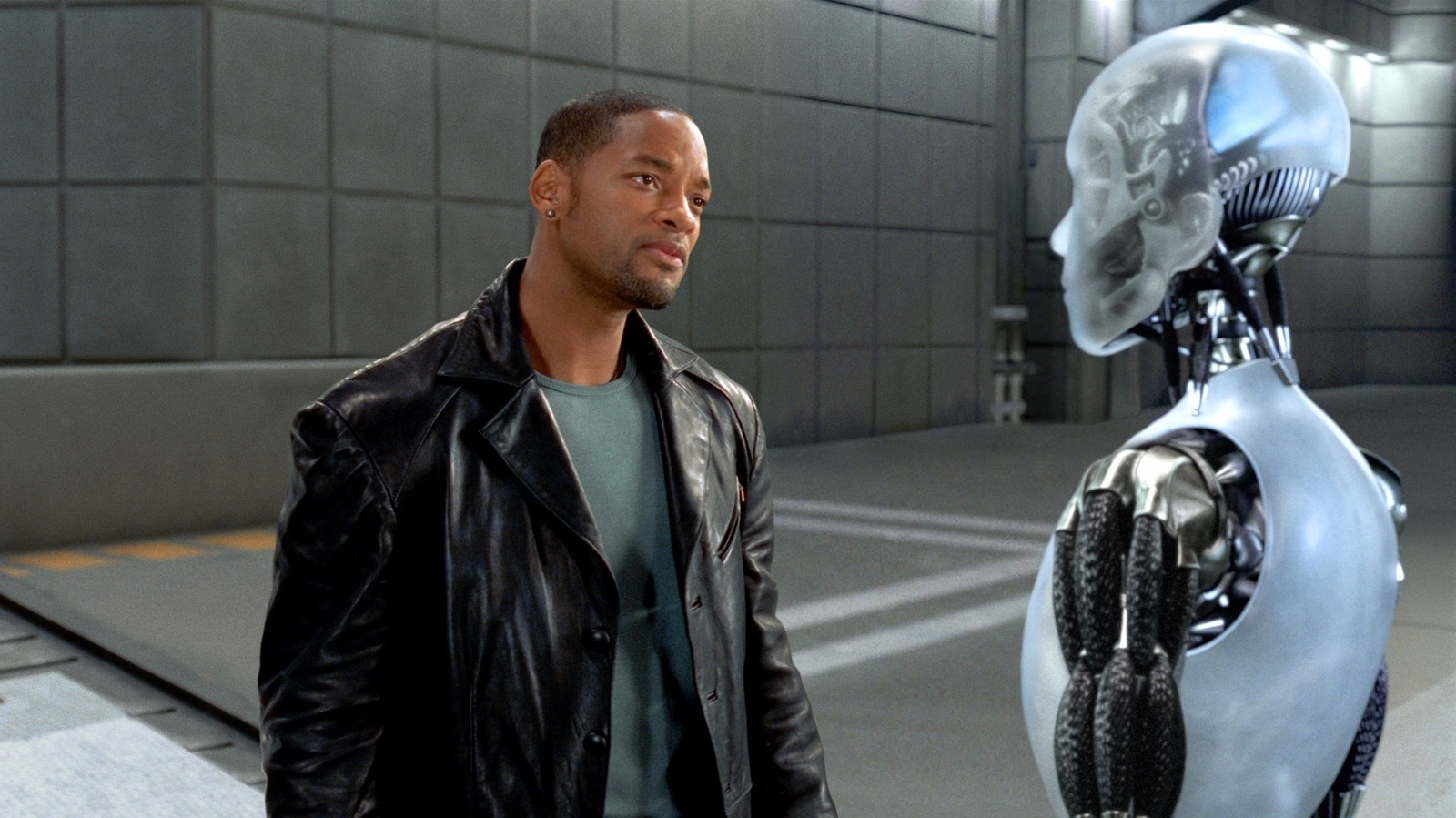
Years later, when a big-budget I, Robot film starring Will Smith was finally produced in 2004, it bore little resemblance to the Ellison-Asimov version. The resulting movie, while entertaining, was a more conventional action-oriented take on Asimov's ideas, lacking the depth and complexity of the unfilmed screenplay.
The story of the Ellison-Asimov I, Robot collaboration serves as a poignant reminder of the inherent tension between the demands of commercial filmmaking and the loftier ambitions of literary science fiction. It also highlights the ongoing challenge of adapting cerebral, ideas-driven narratives for a visual medium that often prioritizes spectacle over substance.
Despite its ultimate failure to reach the screen, the Ellison-Asimov I, Robot screenplay remains a tantalizing "what if" in the annals of science fiction cinema. Its very existence, and the creative synergy between these two legendary writers, serves as a testament to the enduring power and relevance of Asimov's vision, even as Hollywood continues to grapple with the complexities of bringing it to life on the big screen.
📰


