
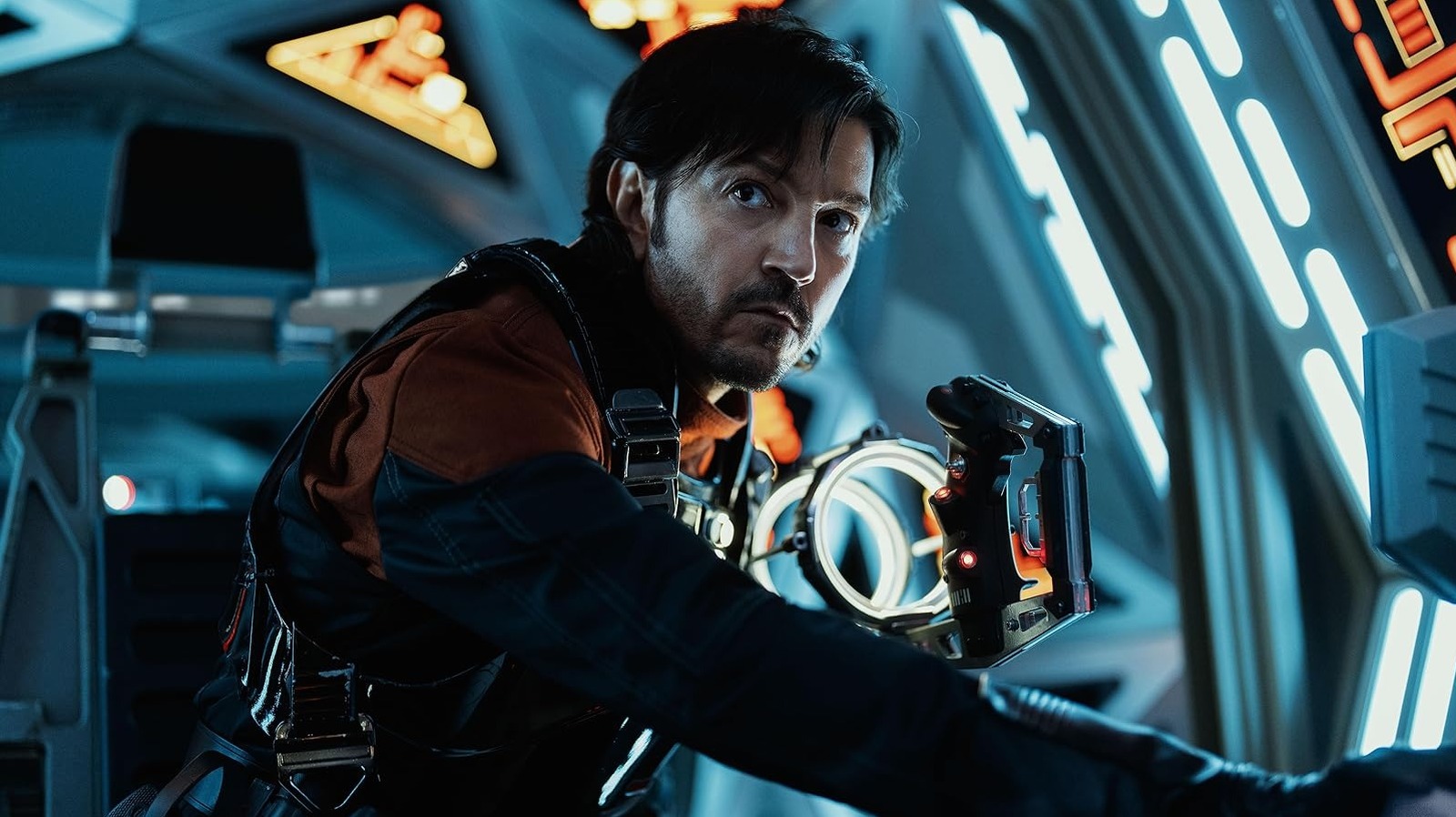
Andor Showrunner Tony Gilroy Reveals His Favorite Season - And It Might Surprise You
As one of the most highly anticipated Star Wars series in recent memory, Andor has quickly established itself as a critical darling, praised for its gritty, cerebral approach to the galaxy far, far away. With its compelling character development and political intrigue, the show has captivated fans and cemented its place as a must-watch for any discerning sci-fi enthusiast.
At the heart of Andor's success is the creative vision of showrunner Tony Gilroy, the acclaimed filmmaker behind the Bourne franchise and Rogue One. Gilroy has been instrumental in shaping the show's tone and narrative, drawing on his extensive experience in the world of espionage thrillers to craft a gripping tale of rebellion and personal transformation.
Given the show's widespread acclaim, it's no surprise that many fans have been eager to learn which season Gilroy himself considers the best. And in a recent interview, the showrunner revealed a somewhat unexpected answer that might just surprise even the most devoted Andor enthusiasts.
Contrary to what one might expect, Gilroy has actually named the first season of Andor as his personal favorite, rather than the more action-packed and climactic second season, which is currently in production. In an interview with Deadline, the showrunner explained his reasoning, highlighting the unique challenges and creative opportunities presented by the show's initial installment.
"The first season is my favorite," Gilroy admitted. "It's the hardest one to do, and the one I'm most proud of. We had to establish so much. We had to build the foundation. We had to do all the heavy lifting."
Indeed, the first season of Andor was tasked with the daunting responsibility of laying the groundwork for the larger narrative, introducing the show's ensemble cast and delving into the complex political and personal motivations that would drive the story forward. Gilroy and his team had to balance the need to provide sufficient context and character development with the imperative to keep the pacing engaging and the audience hooked.
"The first season is the one I'm most proud of, because we had to do all the work," Gilroy elaborated. "We had to build the structure. We had to build the characters. We had to establish the relationships. We had to establish the political landscape. We had to establish the emotional landscape. We had to establish the tone."
This meticulous attention to detail and world-building has undoubtedly paid off, as Andor's first season has been widely praised for its depth, complexity, and nuanced portrayal of the Rebellion's early stirrings. By taking the time to meticulously craft the foundation, Gilroy and his team have set the stage for an even more impactful and thrilling second season, which will build upon the established narrative and push the story to new heights.
Interestingly, Gilroy's preference for the first season also speaks to his own creative sensibilities and the challenges he relishes as a storyteller. Rather than being drawn to the more action-packed and climactic moments that may come later in the series, Gilroy seems to revel in the process of world-building and character development – the "heavy lifting," as he puts it, that lays the groundwork for a truly compelling and immersive narrative.
This approach aligns with Gilroy's previous work, which has often been lauded for its nuanced character studies and exploration of moral gray areas. From the Bourne films to Rogue One, Gilroy has demonstrated a keen interest in peeling back the layers of complex individuals and the systems they inhabit, delving into the motivations and inner turmoil that drive their actions.
In the case of Andor, this meticulous character development and world-building is particularly crucial, as the show is set to explore the early days of the Rebellion, a pivotal and largely uncharted era in the Star Wars canon. By taking the time to establish the political and social landscape, as well as the personal journeys of its diverse ensemble, Gilroy and his team have created a rich and immersive tapestry that promises to captivate audiences in ways that the more action-driven Star Wars stories have not.
Indeed, the first season of Andor has already received widespread critical acclaim, with many praising its cerebral approach, its attention to detail, and its willingness to eschew the more familiar tropes of the Star Wars universe in favor of a more grounded and character-driven narrative. The show's success has further cemented Gilroy's reputation as a master storyteller, adept at crafting intricate, thought-provoking tales that challenge the audience's expectations and push the boundaries of the genre.
As Andor moves forward into its second season, fans will no doubt be eager to see how the story unfolds and whether Gilroy's vision for the series continues to captivate and surprise. But for the showrunner himself, it's clear that the first season will always hold a special place, a testament to the power of meticulous world-building and the enduring appeal of complex, character-driven narratives in the world of science fiction and beyond.
📰


