
Adam Scott's Exciting New Folk Horror Movie Continues A Highly Effective Marketing Trend
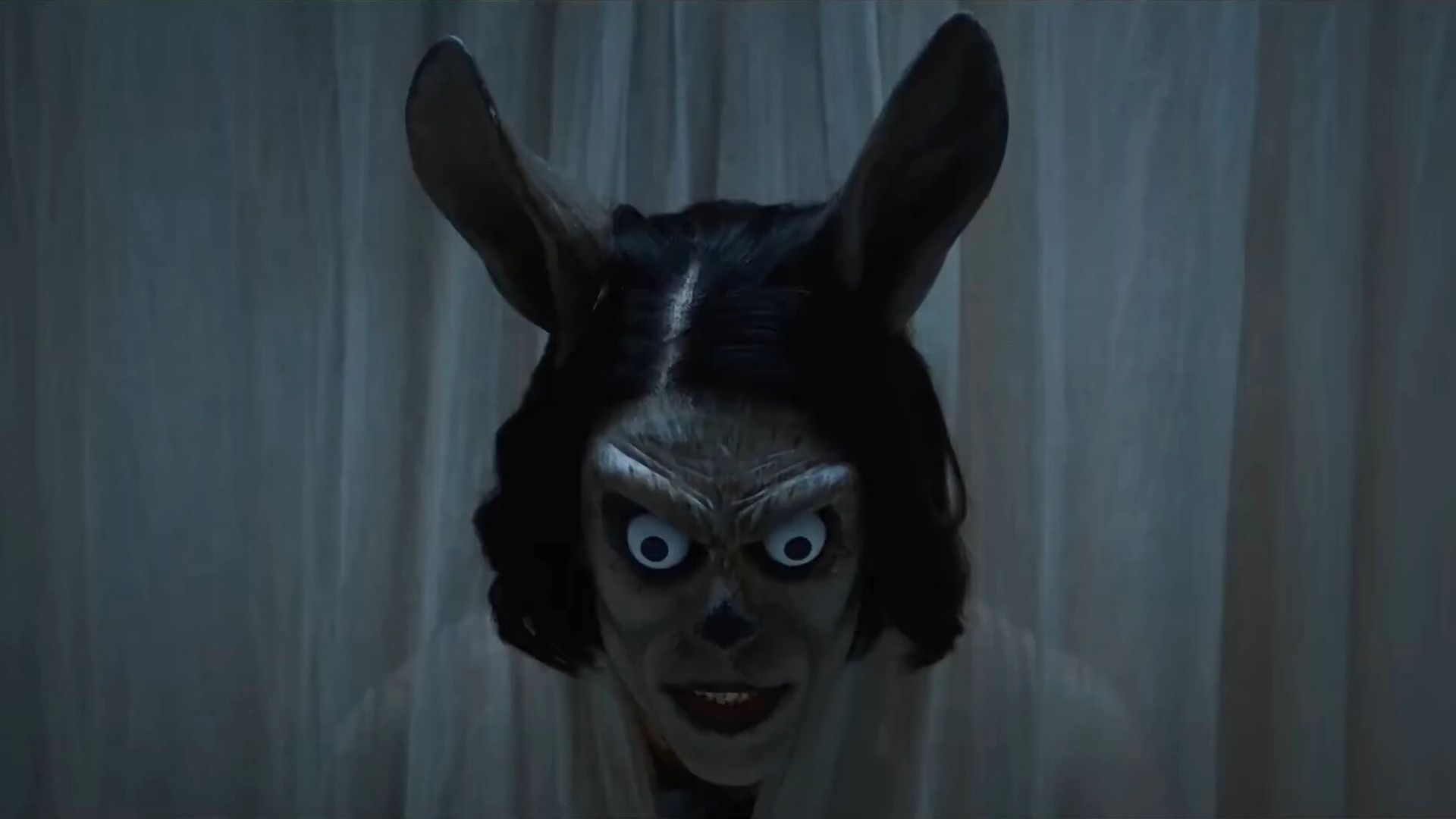
Adam Scott, known for his work in television comedies like Parks and Recreation and The Good Place, is stepping into the world of horror with his upcoming film Hokum. This folk horror project, produced by the independent studio Neon, has already generated significant buzz among genre fans thanks to a haunting first trailer.
The trailer, which was initially shown as part of the previews for Osgood Perkins' 2022 thriller Keeper, has been widely praised for its unsettling atmosphere and effective use of suspense. Hokum marks a departure from Scott's more lighthearted roles, showcasing his ability to tackle darker, more sinister subject matter.
Folk horror, a subgenre that blends elements of rural, pagan, and supernatural themes, has been experiencing a resurgence in recent years. Films like The Witch, Midsommar, and The Green Knight have captured the imaginations of audiences and critics alike, exploring the eerie and unsettling aspects of rural life and ancient traditions.
Hokum seems poised to continue this trend, with the trailer hinting at a story steeped in pagan rituals, isolation, and the supernatural. The film's premise, which remains tightly under wraps, suggests that Scott's character will be thrust into a world of arcane beliefs and dark forces, testing the limits of his sanity and survival.
One of the most intriguing aspects of the Hokum marketing campaign is its strategic use of the Keeper trailer to introduce the film to audiences. By premiering the Hokum trailer alongside another highly anticipated horror release, Neon has tapped into a captive audience already primed for thrills and chills.
This approach is not entirely new, as horror studios have long recognized the value of cross-pollination between related projects. The success of films like A Quiet Place, which used its trailers to promote the upcoming sequel, has demonstrated the effectiveness of this marketing strategy.
By aligning Hokum with Keeper, Neon has not only generated curiosity and anticipation among genre fans but also leveraged the established reputation of Perkins' work to lend credibility and excitement to their own upcoming release.
Moreover, the decision to debut the Hokum trailer in this manner speaks to the confidence Neon has in the film's ability to captivate audiences. By withholding the trailer from wider distribution, at least initially, the studio has created a sense of exclusivity and scarcity that can further pique the interest of moviegoers.
This strategic marketing approach is not limited to the horror genre, as other filmmakers and studios have successfully employed similar tactics. In the realm of superhero movies, for example, the inclusion of teaser trailers for upcoming projects within the end credits of current releases has become a common practice, driving audiences to remain in their seats and generating excitement for what's to come.
By aligning Hokum with the release of Keeper, Neon has effectively tapped into a growing trend of using established genre properties to generate buzz and anticipation for new, lesser-known projects. This approach not only helps to build awareness and create a sense of excitement but also allows the studio to leverage the existing fanbase of the host film.
As audiences continue to seek out fresh and innovative horror experiences, the success of Hokum's marketing strategy could have far-reaching implications for the genre. If the film can deliver on the promise of its intriguing trailer, it may pave the way for more ambitious and unconventional horror stories to find their way to the big screen.
Ultimately, the anticipation surrounding Hokum serves as a testament to Adam Scott's versatility as an actor and the continued appeal of the folk horror subgenre. By venturing into darker, more unsettling territory, Scott is poised to showcase a new facet of his talents and potentially introduce a new generation of horror fans to the rich and unsettling world of pagan beliefs and supernatural forces.
📰

