
The Truman Show: A Visionary Exploration of Reality, Identity, and the Power of Media
The Truman Show, released in 1998, has cemented its place as one of the most prophetic and thought-provoking films of its era. Directed by Peter Weir and written by Andrew Niccol, this cinematic masterpiece delves into the complex interplay between reality, illusion, and the intrusive nature of media in our lives.
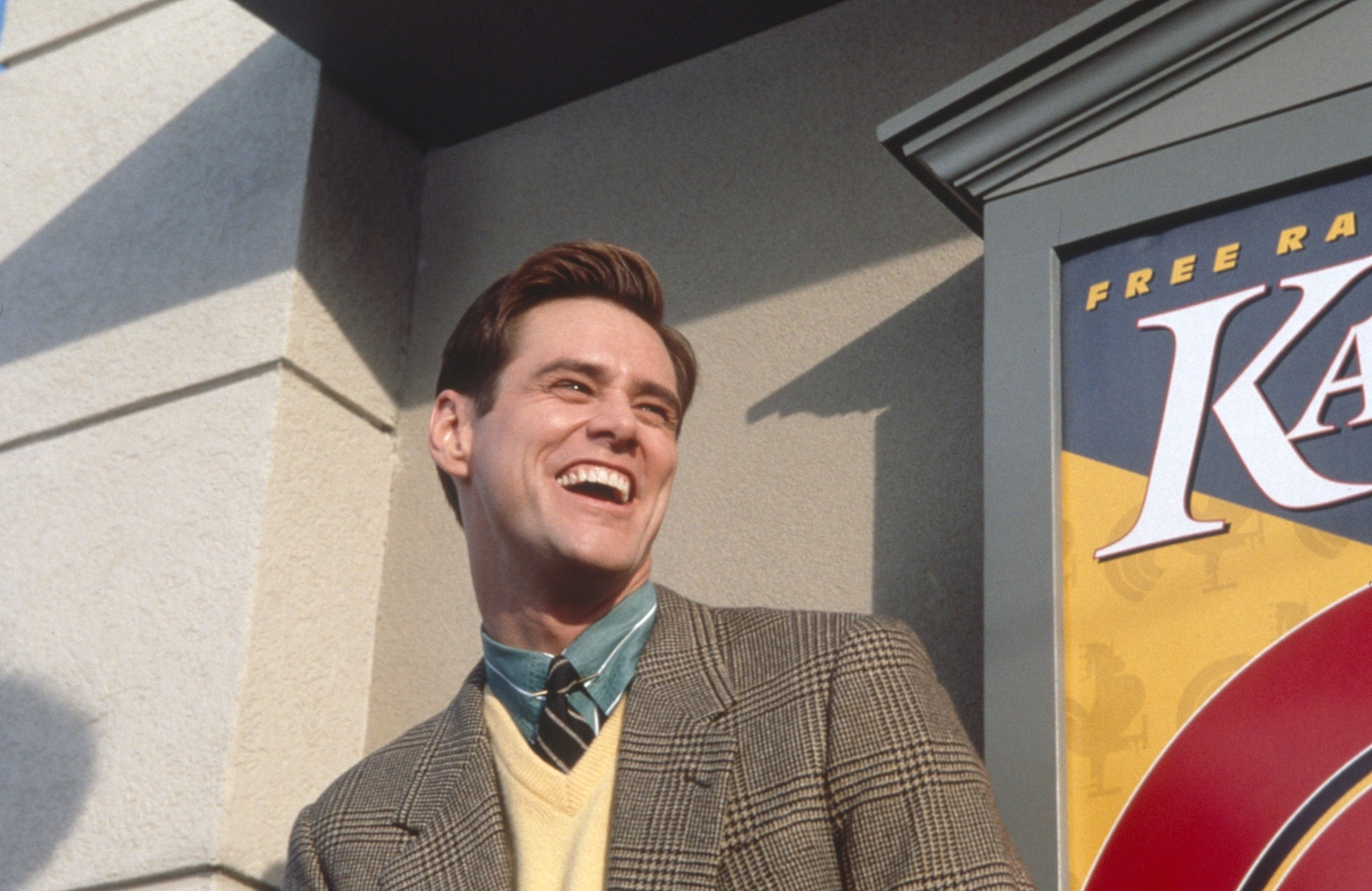
At the heart of the film is Truman Burbank, played masterfully by Jim Carrey. Truman has lived his entire life unaware that he is the unwitting star of a grand televised experiment, with every aspect of his existence meticulously orchestrated and observed by a global audience. The town of Seahaven, where Truman resides, is, in fact, a colossal TV sound stage, with actors playing the roles of his family, friends, and acquaintances. Even the sky above his home is a painted dome, concealing the true nature of his reality.
The film's central premise, though seemingly outlandish at the time, has since become increasingly relevant as the lines between reality and entertainment continue to blur. The rise of reality television, social media, and the ever-expanding influence of technology in our daily lives have made the underlying themes of The Truman Show eerily prescient.
Niccol's screenplay masterfully explores the concept of identity and the ways in which it can be shaped, manipulated, and controlled by external forces. Truman's entire life has been curated and programmed, with every decision and experience carefully crafted to maintain the illusion of a "normal" existence. As he gradually becomes aware of the truth, the film delves into the profound implications of his predicament, questioning the very nature of free will, autonomy, and the boundaries between the private and the public.
The character of Christof, played by the formidable Ed Harris, serves as the godlike creator of the Truman Show, wielding immense power over the life of his unwitting subject. Christof's justifications for his actions, his belief in the inherent goodness of his creation, and his desire to protect Truman from the "harsh realities" of the outside world, all contribute to a complex and nuanced exploration of the ethical dilemmas surrounding the media's influence on our lives.
The Truman Show also serves as a prescient commentary on the growing dominance of corporate interests and the commodification of human experiences. Truman's existence is inextricably linked to the financial success of the show, with every aspect of his life subject to product placement and commercial exploitation. This theme resonates even more strongly in today's media landscape, where the pursuit of ratings and advertising revenue often takes precedence over the well-being and privacy of individuals.
Moreover, the film's exploration of the power of media to shape and manipulate public perception remains highly relevant. Christof's absolute control over Truman's reality and the global audience's unwavering fascination with his life serve as a cautionary tale about the potential dangers of unchecked media influence and the erosion of individual autonomy.
As Truman's journey unfolds, the film challenges the audience to confront their own complicity in the system, inviting them to question the boundaries between entertainment and exploitation, and to consider the moral implications of their own voyeuristic tendencies.
The Truman Show's enduring relevance lies not only in its visionary exploration of the relationship between media and reality but also in its timeless examination of the human condition. Truman's struggle to break free from the confines of his fabricated existence and assert his true identity resonates with audiences on a deep, emotional level, serving as a powerful metaphor for the universal quest for self-discovery and autonomy.
In the years since its release, The Truman Show has only grown in stature, with critics and scholars hailing it as a masterpiece of contemporary cinema. Its profound insights into the nature of identity, the power of media, and the delicate balance between individual freedom and societal control have only become more relevant in an era where technology and media continue to shape and influence our lives in unprecedented ways.
As we navigate the complex and ever-evolving landscape of the 21st century, The Truman Show stands as a prophetic and compelling exploration of the human experience, challenging us to question the boundaries of reality, to confront the consequences of our own voyeuristic tendencies, and to assert our right to live authentically in a world that increasingly seeks to define and control us.
📰


