
Preserving the Human Touch: Nancy Cartwright's Stance on AI Voices in Entertainment
In an era where technological advancements continue to reshape various industries, the world of entertainment finds itself at a crossroads. As artificial intelligence (AI) becomes increasingly sophisticated, the prospect of AI-generated voices replacing human performers has become a topic of heated discussion. And at the forefront of this debate is Nancy Cartwright, the voice behind some of the most iconic characters in The Simpsons.
Cartwright's comments, shared in a recent interview with People magazine, underscore the deep-rooted concerns that many actors share regarding the potential impact of AI on their craft. "I think I would choose a successor [instead of AI], and I'll tell you why — because AI has no heart and I think that's a missing ingredient," Cartwright stated, highlighting the intangible quality that sets human performances apart from their artificial counterparts.
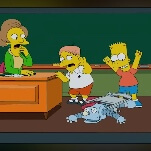
The Simpsons, a beloved animated series that has captivated audiences for over three decades, has long been a bastion of exceptional voice acting. Cartwright's versatility and emotional depth have brought to life characters such as the mischievous Bart Simpson, the lovable Ralph Wiggum, and the sarcastic Nelson Muntz, among others. Her passion and dedication to her craft have become an integral part of the show's enduring legacy.
However, as the entertainment industry grapples with the rapid advancements in AI technology, the prospect of AI-generated voices encroaching on the domain of human performers has become a pressing issue. Cartwright's stance echoes the sentiments expressed by her co-star, Hank Azaria, who previously voiced concerns about the lack of "humanness" in AI-generated voices.
Azaria, the voice behind iconic characters such as Moe Szyslak, Chief Wiggum, and Apu Nahasapeemapetilon, has been outspoken about the limitations of current AI technology in replicating the nuances and depth of human performance. In a New York Times op-ed, Azaria questioned the ability of AI to capture the "lack of humanness" that is so crucial to the authenticity of voice acting.
This debate extends beyond the confines of The Simpsons, as the entertainment industry as a whole grapples with the implications of AI-generated content. The recent partnership between Disney and OpenAI, which aims to integrate AI-generated short-form videos into Disney+, has only amplified the concerns about the potential displacement of human performers.
While AI-generated voices may offer a level of consistency and cost-effectiveness, Cartwright and Azaria argue that they lack the emotional resonance and depth that audiences have come to expect from their beloved characters. The "humanness" that Azaria references, the passion and expressiveness that Cartwright champions, are qualities that cannot be easily replicated by even the most advanced AI systems.
The Simpsons, a show that has maintained its cultural relevance and beloved status for decades, has seen its fair share of changes over the years. From the gradual evolution of character voices to the occasional recasting of voice actors, the show has demonstrated the flexibility to adapt while preserving the essence of its characters. However, the prospect of AI-generated voices replacing the original performers poses a unique challenge.
As Cartwright points out, the "spiritual beings" that breathe life into these characters are an integral part of what makes them so endearing and relatable to audiences. The ability to "emote passion and uplift people" is a distinctly human quality that AI may struggle to replicate, at least in the near future.
The debate surrounding AI's impact on the entertainment industry is not limited to voice acting. The rise of deepfakes, AI-generated imagery and video, has raised concerns about the authenticity and integrity of digital content. As technology continues to evolve, the entertainment industry must grapple with the delicate balance between embracing innovation and preserving the human touch that has made it so captivating.
Cartwright's unwavering stance on this issue serves as a reminder of the enduring value of human performance in an increasingly digital world. Her commitment to her craft and her characters underscores the importance of preserving the unique qualities that make the entertainment experience so meaningful and impactful.
As The Simpsons approaches its 800th episode, a milestone that underscores the show's longevity and cultural significance, Cartwright's words resonate with a sense of urgency. The preservation of the human element in entertainment, the essence that AI may struggle to replicate, is not just a personal preference, but a fundamental aspect of what makes these characters and stories so beloved.
In the ever-evolving landscape of entertainment, the debate surrounding AI-generated voices will undoubtedly continue. But for Nancy Cartwright and countless other actors, the choice is clear: the human touch, the passion, and the "spiritual" connection that they bring to their craft, are irreplaceable. As the industry navigates the challenges of technological advancements, it must ensure that the human spirit remains at the heart of the entertainment experience.
📰

