
Disney's New CEO Views Fortnite as the Digital Theme Park of the Future
Disney's recent leadership transition has brought some interesting insights into the company's vision for the future. Josh D'Amaro, the incoming CEO set to take over in a month, has already started to outline his plans for leveraging one of the world's most popular video games - Fortnite - as part of Disney's broader entertainment ecosystem.
In many ways, D'Amaro's approach to Fortnite mirrors his perspective on Disney's traditional theme parks. He sees the massively successful battle royale title as a digital destination where Disney can sell merchandise, offer exclusive experiences, and further expand its powerful brand.
This digital-first strategy reflects the changing landscape of entertainment and consumer engagement. As younger generations spend increasing amounts of time in virtual environments, Disney recognizes the need to meet them where they are rather than solely relying on its iconic physical parks.
Fortnite's Meteoric Rise and Cultural Influence
Fortnite's meteoric rise to global phenomenon has been nothing short of remarkable. Developed by Epic Games, the free-to-play battle royale title has amassed over 350 million registered players worldwide since its launch in 2017. The game's unique blend of fast-paced combat, creative building mechanics, and constantly evolving content has captivated players of all ages, cementing its status as a cultural touchstone.
Beyond its gameplay, Fortnite has also emerged as a versatile platform for digital experiences. The game has hosted virtual concerts, movie premieres, and even political debates, demonstrating its potential as a hub for entertainment and social interaction. This expansive, cross-media approach aligns with Disney's own ambitions to create immersive, integrated experiences for its audience.
Disney's Branded Ecosystem and the Shift to Digital
Disney has long been synonymous with its iconic theme parks, where visitors can immerse themselves in beloved characters and narratives. The company's ability to transform its intellectual property into tangible, experiential environments has been a crucial component of its success.
However, as the digital landscape continues to evolve, Disney recognizes the need to adapt its strategy to meet the changing preferences of consumers, especially younger generations. The rise of streaming platforms, mobile gaming, and virtual experiences has necessitated a shift in how Disney approaches content distribution and fan engagement.
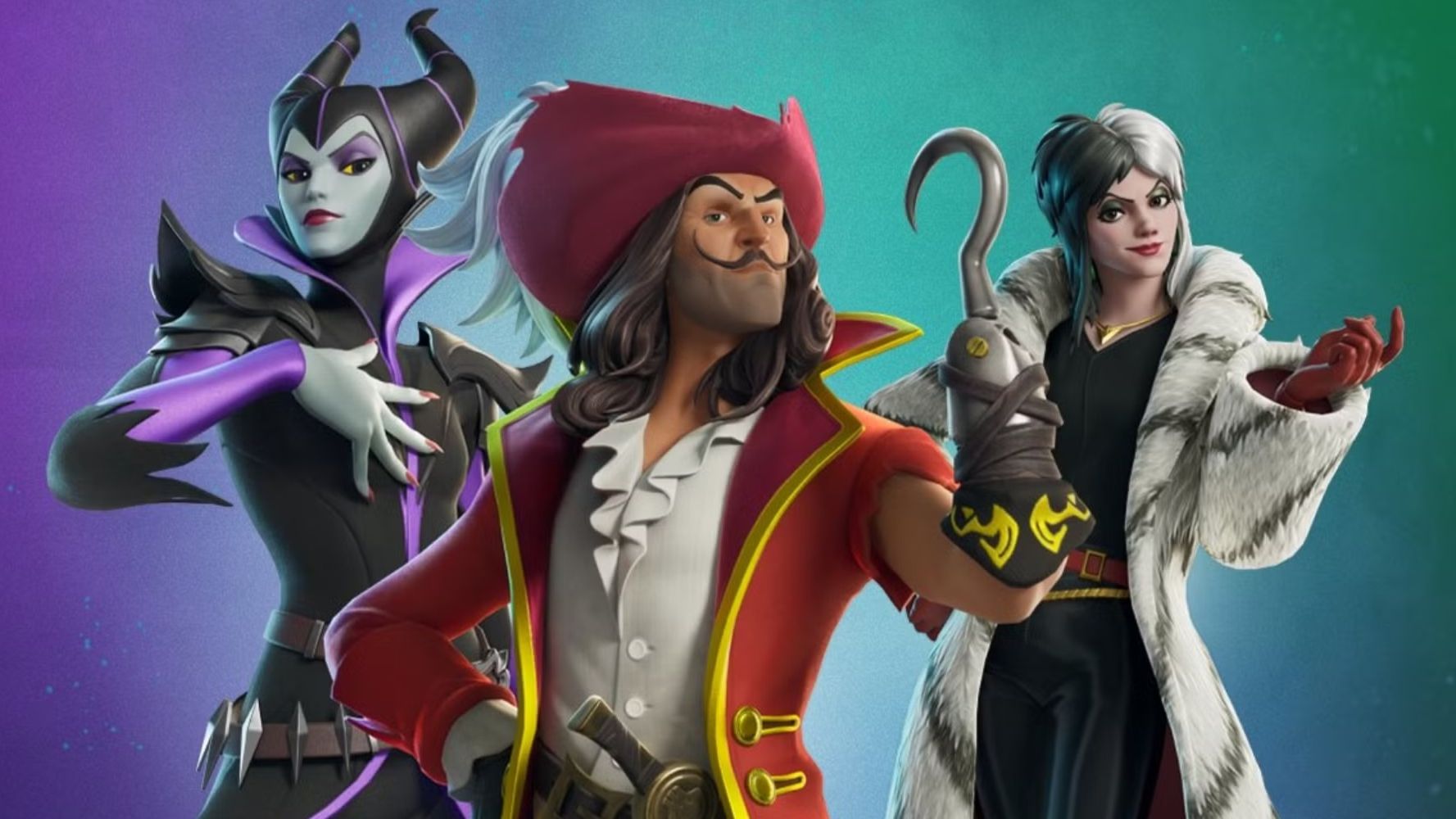
Enter Fortnite, which D'Amaro sees as a natural extension of Disney's branded ecosystem. Much like the company's theme parks, Fortnite offers a virtual space where Disney can create custom content, integrate its characters and franchises, and facilitate unique, interactive experiences for players.
Leveraging Fortnite's Reach and Engagement
Fortnite's vast player base and engagement levels present a compelling opportunity for Disney to reach new audiences and strengthen its brand presence. With millions of active users spending significant time in the game, the potential for Disney to introduce its IP, sell merchandise, and offer exclusive experiences is substantial.
By integrating Disney content into Fortnite, the company can tap into the game's immersive, participatory nature, allowing fans to actively engage with their favorite characters and narratives. This could take the form of limited-time events, in-game challenges, or even the introduction of Disney-themed skins and items for players to acquire.
Moreover, Fortnite's versatility as a platform could enable Disney to experiment with new types of content and experiences that extend beyond traditional media formats. The game's ability to host virtual concerts, for example, could provide a unique avenue for Disney to showcase its musical properties and engage fans in novel ways.
Challenges and Considerations for Disney's Fortnite Strategy
While D'Amaro's vision for leveraging Fortnite as a digital theme park holds promise, the company will likely face a few key challenges in executing this strategy effectively.
Firstly, Disney will need to navigate the complex and rapidly evolving landscape of digital entertainment and virtual experiences. Fortnite's success has sparked a wave of imitators and competitors, each vying for a slice of the growing market. Maintaining relevance and standing out in such a crowded space will require a deep understanding of player preferences, content trends, and technological advancements.
Additionally, Disney will need to carefully balance its approach to Fortnite to avoid alienating existing fans or appearing too overtly commercial. Integrating its branded content seamlessly and organically within the game's ecosystem will be crucial to ensure that the experiences feel authentic and engaging rather than simply promotional.
Finally, the company will need to consider the broader implications of its digital strategy, including potential privacy concerns, data management, and the long-term sustainability of virtual experiences. As Disney expands its reach into digital realms, it will have to address these critical issues to maintain trust and credibility with its audience.
The Future of Disney's Digital Ecosystem
Josh D'Amaro's vision for Fortnite as a digital theme park is a bold and forward-thinking strategy that reflects the broader shifts in the entertainment industry. By embracing the immersive, participatory nature of virtual environments, Disney has the opportunity to engage with new generations of fans, diversify its revenue streams, and reinforce its position as a global entertainment powerhouse.
As the company navigates this digital transformation, it will need to balance innovation with the careful stewardship of its beloved brands and the trust of its audience. By seamlessly integrating its IP into digital spaces like Fortnite, Disney can create a cohesive, cross-platform ecosystem that mirrors the success of its physical theme parks while adapting to the evolving preferences of modern consumers.
Ultimately, D'Amaro's Fortnite strategy represents a significant step forward for Disney, one that could redefine the company's role in the digital age and solidify its position as a leader in the ever-changing landscape of entertainment.
📰

