
Uncovering the Darkness: Resident Evil Requiem's Controversial Censorship in Japan
In the highly anticipated Resident Evil Requiem, Capcom's latest entry in the beloved survival horror franchise, players have been met with an unexpected surprise - or rather, a concerning absence. The Japanese version of the game has come under scrutiny for its censorship of certain gory details, leading to a passionate uproar among fans and critics alike.
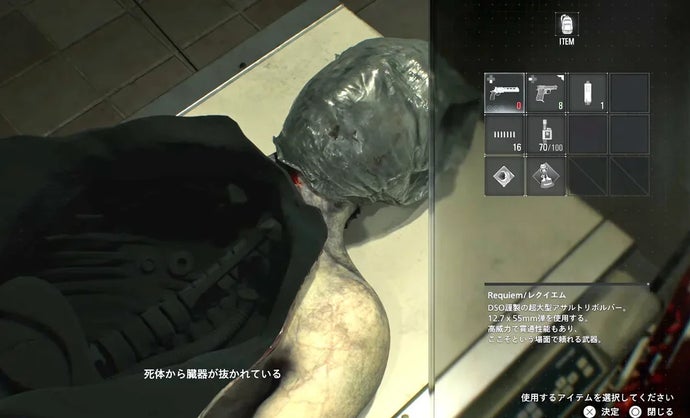
The issue at hand is not the typical debate over the portrayal of violence and its impact on audiences. Rather, it is the jarring substitution of the visceral, blood-soaked imagery that has become a hallmark of the Resident Evil series. In the Japanese release, the mutilated corpses that players would typically expect to encounter are instead shrouded in an unsettling, all-encompassing darkness.
This censorship decision has sparked a surge of discussion on social media, with many fans expressing their disappointment and frustration. The consensus among the community seems to be that the absence of the expected gore and guts robs the game of its signature horror atmosphere, undermining the very essence of the Resident Evil experience.
Delving deeper into the reasoning behind this controversial move, it becomes clear that Capcom's decision was driven by the need to navigate Japan's stringent content regulations. The country's media regulators have long maintained a tight grip on the depiction of violence and gore in media, particularly in the video game industry. Resident Evil Requiem, with its graphic depictions of dismemberment and bodily destruction, likely presented a challenge for the developers in securing approval for release.
To circumvent these regulatory hurdles, Capcom opted for a more subtle, abstract approach to the game's gruesome visuals. Instead of the visceral, blood-soaked remains that fans have come to expect, the Japanese version of Requiem features an unsettling, almost supernatural phenomenon - the presence of a mysterious, all-consuming darkness within the game's corpses.
This creative solution, while undoubtedly intended to appease the regulators, has had the unintended consequence of sparking a broader discussion about the role of censorship in the entertainment industry. Many argue that the decision to replace the gory imagery with this anomalous "darkness" undermines the game's immersive horror experience, robbing players of the visceral, gut-wrenching sensations that have become synonymous with the Resident Evil franchise.
The implications of this censorship extend beyond the boundaries of Resident Evil Requiem itself. It raises broader questions about the delicate balance between creative expression and the need to adhere to societal norms and regulations. In a world where the boundaries of acceptable content are constantly shifting, developers and publishers find themselves navigating a minefield of cultural sensitivities and legal restrictions.
Interestingly, the response to this censorship has not been limited to the gaming community. Some have drawn parallels between the mysterious, ominous darkness in the Japanese version and the philosophical and existential implications of the concept. The idea that the "darkness" within the game's corpses is a metaphor for the darkness that lurks within us all has sparked a deeper, more introspective conversation about the human condition.
Ultimately, the controversy surrounding Resident Evil Requiem's censorship in Japan highlights the ongoing tension between artistic vision and regulatory oversight. As the gaming industry continues to push the boundaries of storytelling and visual representation, the need to balance creative expression with societal norms becomes increasingly crucial.
For Capcom, the decision to censor the game's gory visuals in the Japanese market was likely a pragmatic one, aimed at ensuring the game's release and accessibility to local audiences. However, the backlash from fans and critics serves as a reminder that such compromises can come at a cost, potentially undermining the very essence of the experience that players have come to expect.
As the gaming landscape continues to evolve, the debate surrounding censorship and artistic freedom will undoubtedly persist. Resident Evil Requiem's controversial Japanese release has become a touchstone in this ongoing discourse, sparking a deeper exploration of the cultural, philosophical, and societal implications of content regulation in the digital age.
📰

